Leather rugs are among the most popular choices for homeowners seeking a premium, long-lasting flooring option. They add natural texture, warmth, and a modern luxury feel to living rooms, bedrooms, offices, and designer spaces.
However, leather rugs also come with certain challenges, including moisture sensitivity, maintenance needs, and higher pricing. Before investing in one, it is important to understand where leather rugs perform well and where they may not be the right fit.
This guide covers the major pros, cons, rug types, and maintenance tips to help you make an informed buying decision.
What is a leather rug?
A leather rug is a floor covering made from natural animal hide, leather pieces, or synthetic leather materials. These rugs are commonly created using cowhide, suede, patchwork leather, or faux leather. Some leather rugs use a single full hide, while others combine small leather panels into decorative patterns. Leather is known for its strength, flexibility, and durability, which make these rugs both stylish and long-lasting.
Leather rugs are popular in modern, rustic, and luxury interiors because they add texture and a premium appearance to a space. You can find them in living rooms, bedrooms, offices, and boutique spaces. They are available in various colors, finishes, and textures, including hair-on-hide, smooth leather, and soft suede.
Pros of leather rugs
Leather rugs are popular because they combine style, durability, and functionality. They work well in both modern and traditional interiors and can instantly improve a room's appearance. Below are the biggest advantages of leather rugs and why many homeowners prefer them over regular fabric rugs.
Premium and stylish appearance
Leather rugs add a rich and elegant look to any space. Their natural texture and finish create a luxury feel that standard synthetic rugs often cannot provide. Whether you choose a cowhide rug or a patchwork leather design, these rugs easily become a focal point in the room.
Leather rugs work especially well in:
-
Modern interiors
-
Rustic homes
-
Luxury apartments
-
Farmhouse spaces
-
Industrial style rooms
They also pair nicely with wooden flooring, marble surfaces, and neutral furniture.

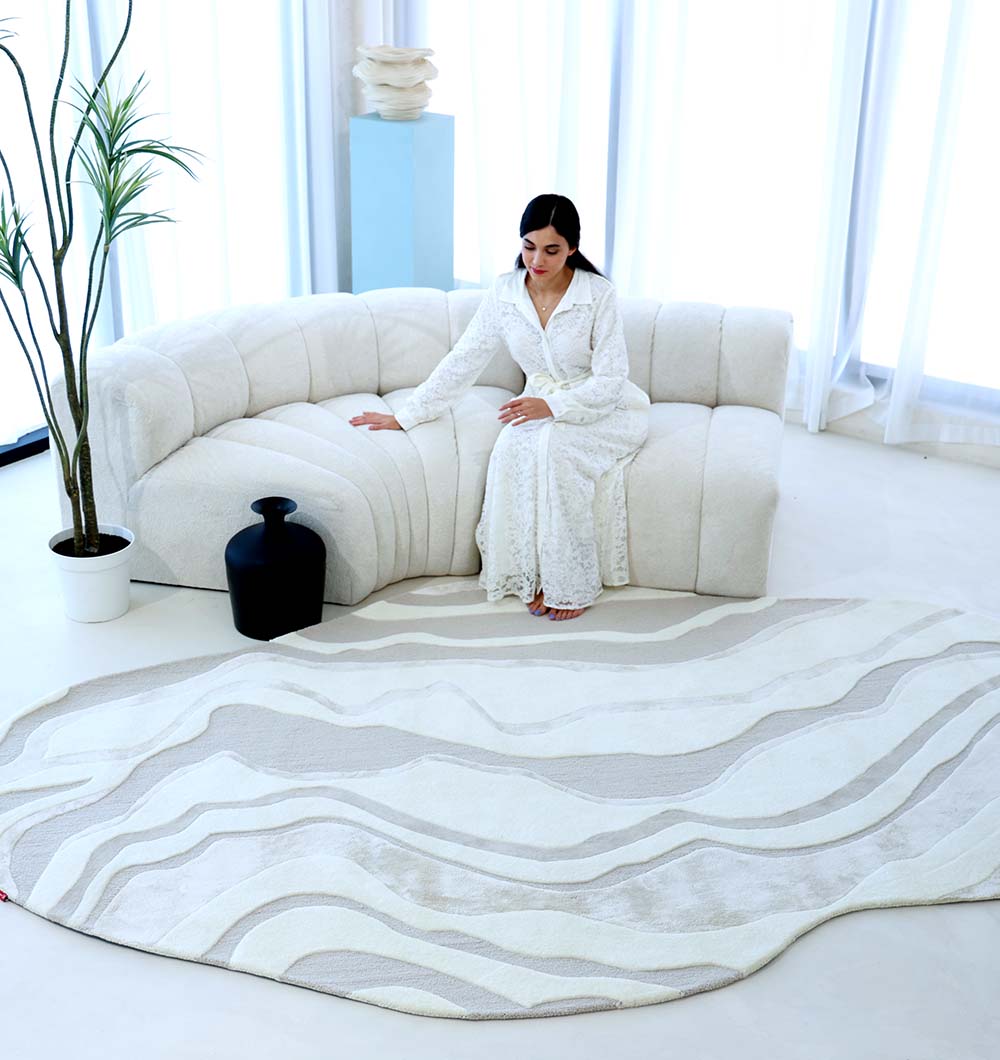
Buy Leather Geometry Pattern Rug
Unique natural patterns
Every genuine leather rug has different markings, shades, and textures. Since natural hide patterns vary from one animal to another, no two rugs look the same. This gives your home a more custom and authentic appearance.
Some rugs may include:
-
Natural color variations
-
Unique spots and patterns
-
Mixed leather textures
-
Hand-stitched patchwork designs
This uniqueness makes leather rugs attractive for people who want exclusive home decor pieces.
Strong and durable material
Leather is naturally strong and long-lasting. High-quality leather rugs can handle daily foot traffic for years when maintained properly. Cowhide rugs are especially known for their durability.
Unlike many fabric rugs, leather rugs resist quick wear and flattening. They maintain their texture and shape for longer.
This makes them suitable for:
-
Living rooms
-
Offices
-
Bedrooms
-
Low to medium traffic areas
-
Decorative seating spaces
Easy to clean and maintain
Leather rugs require less deep cleaning compared to thick fabric rugs. Dust and dirt usually stay on the surface instead of getting trapped deep inside the material.
Basic maintenance often includes:
-
Light vacuuming
-
Gentle shaking
-
Dry cloth wiping
-
Quick spot cleaning
This simple cleaning process saves time and effort for homeowners.
Better for allergy-sensitive homes
Leather rugs do not hold as much dust, pet hair, and pollen as wool or shag rugs. Because of this, they may help create a cleaner indoor environment for people with mild allergies.

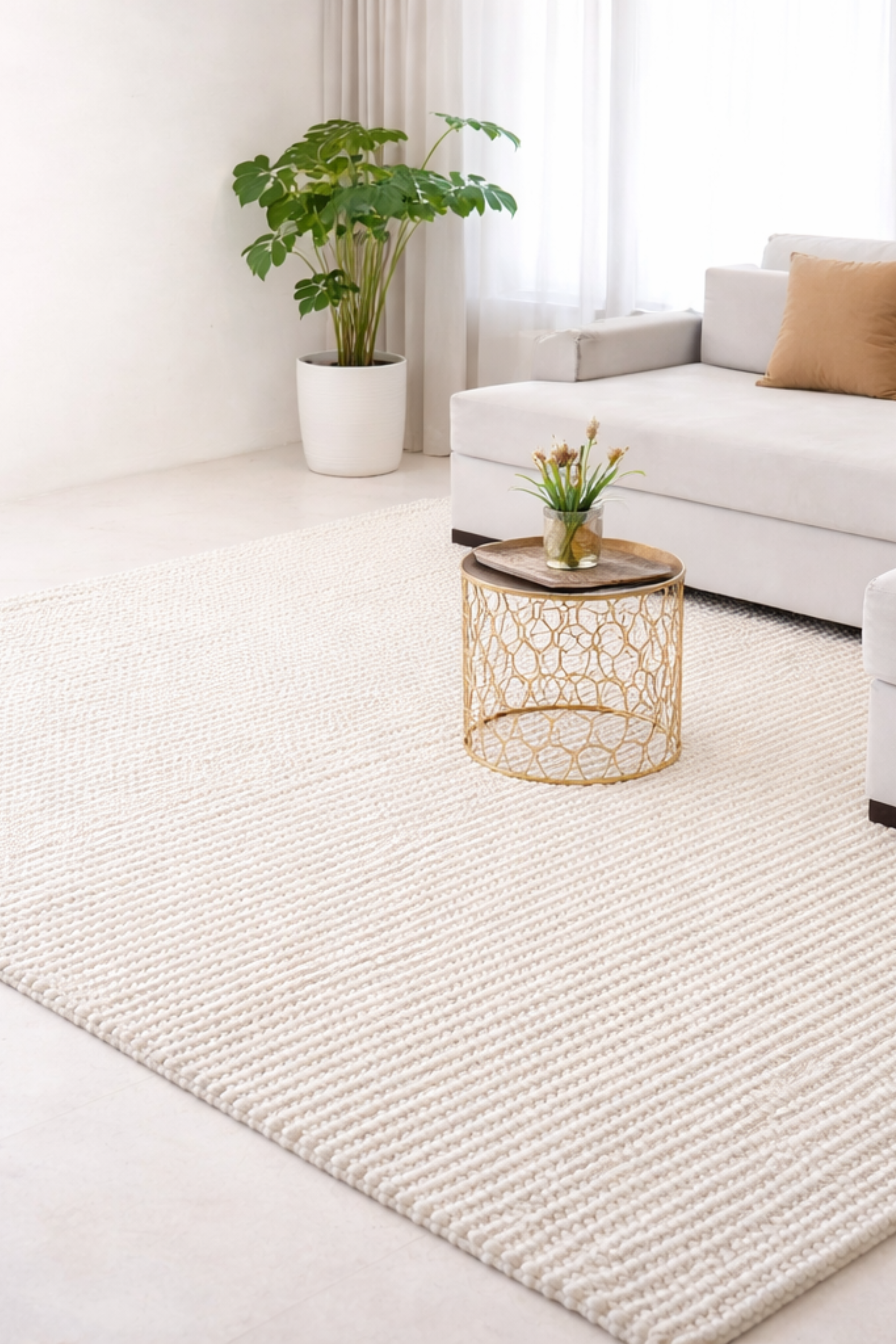
Buy Bedroom & Hallway Grey Color Leather Rug
They are often preferred in homes that want:
-
Less dust buildup
-
Easier surface cleaning
-
Reduced allergen collection
However, regular cleaning is still important for maintaining hygiene.
Soft and comfortable underfoot
Many leather rugs feel soft and smooth when walked on. Hair-on-hide rugs and suede leather rugs add warmth and texture to the floor, making rooms feel more comfortable and cozy.
This softness helps create a relaxing atmosphere in:
-
Bedrooms
-
Reading corners
-
Lounges
-
Family rooms
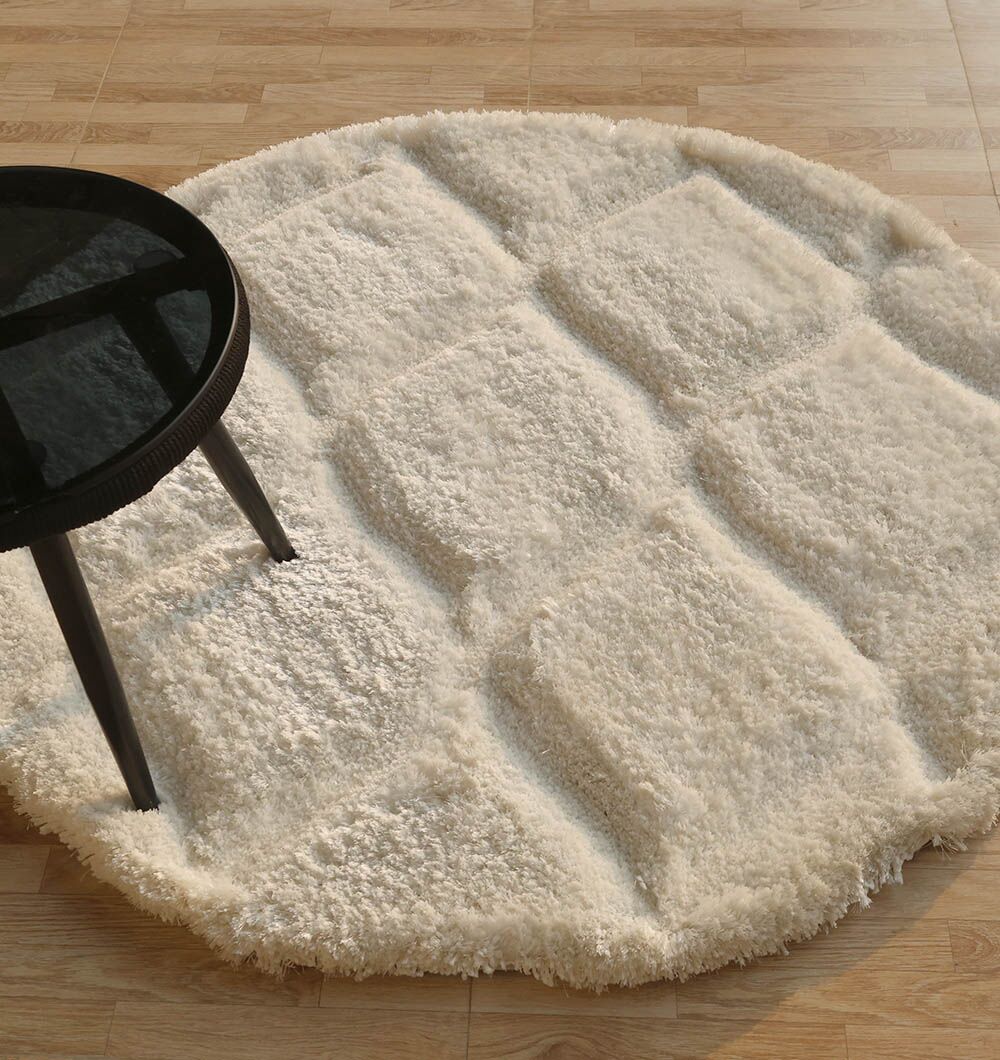
For example, you can buy this Handmade Mosaic Patchwork Beige & Tan Leather Rug for your living room and bedroom to create a relaxed space for your family.

Available in many styles and designs
Leather rugs come in different colors, textures, and patterns. This makes it easier to match them with different interior themes.
Popular options include:
-
Cowhide rugs: Natural hide rugs known for their durability, soft texture, and unique organic patterns.
-
Patchwork leather rugs: Rugs made from stitched leather pieces that create bold, modern patterns and textured designs.
-
Faux leather rugs; Synthetic leather rugs designed to give a leather look at a more affordable and vegan-friendly price.
-
Hair on hide rugs: Leather rugs that retain the natural hair layer for added texture, warmth, and a rustic appearance.
-
Geometric leather rugs: Modern leather rugs featuring sharp lines, cube patterns, and abstract shapes for a stylish contemporary look.

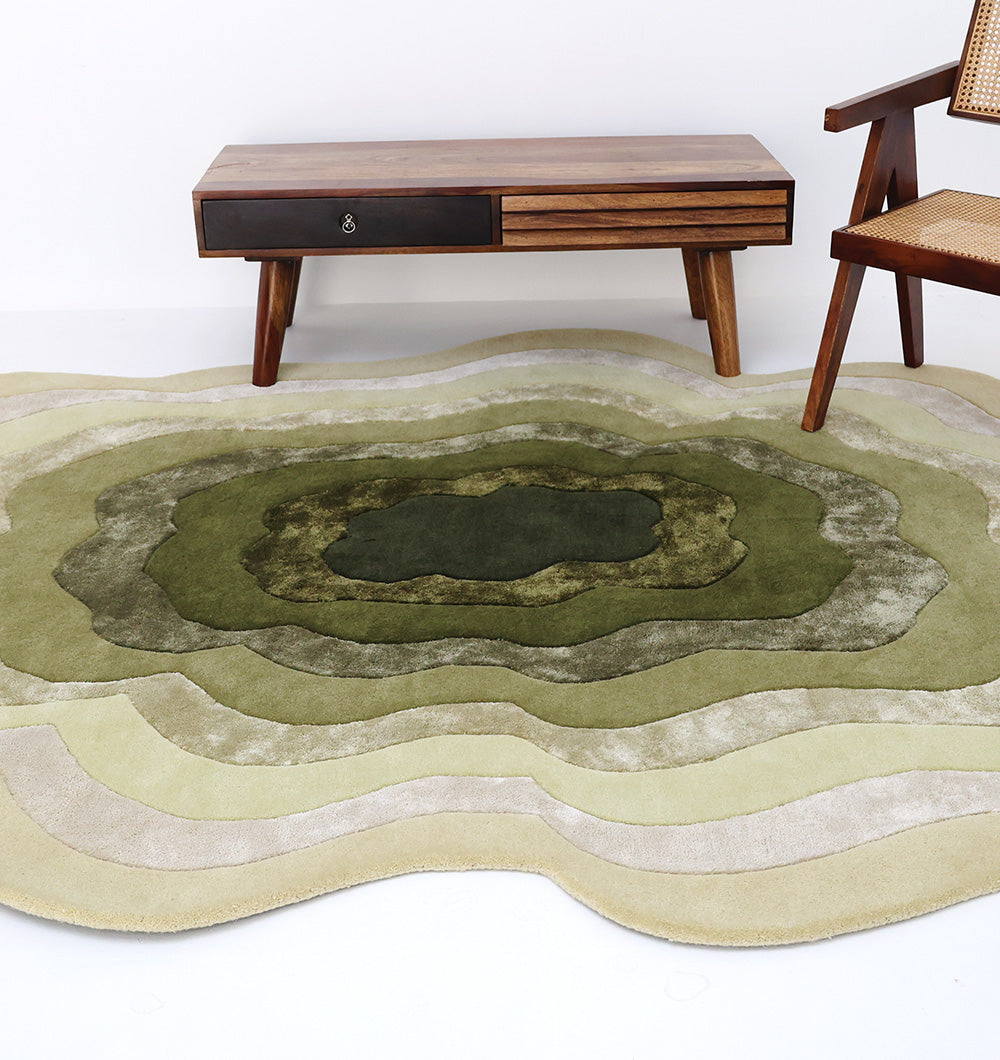
Buy Striped Abstract Leather Area Rug
You can find both bold statement designs and simple minimalist styles, depending on your decor preference.
Long-term value
Although leather rugs can be expensive initially, many people see them as a long-term investment because of their durability and timeless style. A well-maintained leather rug can stay attractive for many years without looking outdated.
This makes them a practical choice for homeowners who want both functionality and premium aesthetics.
Cons of leather rugs
Leather rugs offer a premium look, but they also come with a few drawbacks that buyers should consider before making a purchase. Factors such as maintenance, moisture sensitivity, and higher prices can make them less suitable for some homes and lifestyles.
Expensive compared to regular rugs
Leather rugs usually cost more than traditional fabric or synthetic rugs because they use genuine leather, natural hides, and handcrafted detailing. Premium cowhide and patchwork leather rugs often fall into the luxury home decor category, which increases their overall price. Larger sizes and designer patterns can make them even more expensive.
-
The higher cost mainly comes from factors such as:
-
Genuine leather materials that last longer than many synthetic options
-
Handmade stitching and craftsmanship are used in premium rugs
-
Unique natural patterns that make every rug different
-
Imported hides and designer finishes that raise production costs
Apart from the buying price, owners may also spend extra on conditioning products and professional cleaning services over time.
Sensitive to moisture and humidity
Leather rugs are highly sensitive to water and humid conditions. Unlike synthetic rugs, leather absorbs moisture quickly, which can damage its texture and overall structure. If moisture remains trapped for a long time, the rug may start to lose its softness and natural finish.
Common problems caused by moisture include:
-
Cracking and hardening of the leather surface
-
Mold growth and unpleasant odor buildup
-
Curling edges and uneven texture
-
Color fading in damp environments
Because of this, leather rugs are usually not recommended for humid homes, bathrooms, kitchens, or areas where spills happen regularly.
Requires regular maintenance
Leather rugs need proper care to maintain their appearance and durability. While they may not trap dust deeply like thick fabric rugs, they still require regular cleaning and conditioning. Without maintenance, the leather can dry out and develop visible cracks over time.
Proper care often includes:
-
Light vacuuming to remove surface dust
-
Immediate cleaning of liquid spills
-
Occasional leather conditioning to maintain softness
-
Keeping the rug away from excessive heat and sunlight
Unlike washable rugs, leather rugs require gentle cleaning methods and specialized care products, which may feel inconvenient for homeowners seeking low-maintenance flooring options.
Can be scratched and worn easily
Although leather is durable, the surface can still get scratched from daily use. Pet claws, sharp furniture edges, and heavy dragging can leave permanent marks on the rug. Patchwork leather rugs may also show wear faster around stitched areas.
Leather rugs are more vulnerable to:
-
Scratches from pets and pointed objects
-
Surface marks from moving furniture
-
Friction damage in high-traffic areas
-
Peeling or loosening around stitched sections
While some people like the worn, natural look of leather over time, others may find scratches and visible wear unattractive.
Difficult to remove deep stains
Leather rugs can become difficult to clean once liquids penetrate the surface. Unlike synthetic rugs that tolerate strong cleaning products, leather requires careful treatment to avoid discoloration or cracking.
Some stains that can permanently damage leather include:
-
Oil and grease stains
-
Wine and coffee spills
-
Ink and paint marks
-
Food stains and chemical spills
If spills are not cleaned immediately, the leather may absorb the liquid and develop long-lasting marks. In some cases, professional cleaning may be necessary, increasing maintenance costs.
Not suitable for homes with active pets
Leather rugs may not be the best choice for homes with energetic pets. Cats and dogs can scratch, chew, or damage the surface during daily activity. Hair on hide rugs may also collect pet hair and odors if not cleaned regularly.
Common pet-related issues include:
-
Scratches caused by claws
-
Bite and chewing damage
-
Hair buildup on textured surfaces
-
Odor absorption after accidents
Homes with multiple pets or highly active animals may notice faster wear compared to quieter households. Durable synthetic rugs often perform better in such situations.
Direct sunlight can damage leather.
Continuous exposure to direct sunlight can reduce the lifespan of leather rugs. Strong sunlight dries out natural leather oils, which affects both texture and color over time. Dark-colored leather rugs are especially likely to fade when placed near large windows.
Long-term sunlight exposure may cause:
-
Faded or uneven colors
-
Dry and rough texture
-
Surface cracking and stiffness
-
Loss of natural shine
To protect the rug, many homeowners place leather rugs away from direct sunlight or rotate them regularly to reduce uneven fading.
Limited water resistance
Leather rugs are not designed for areas that experience frequent moisture or spills. Unlike water-resistant synthetic rugs, leather can absorb liquids quickly and become permanently damaged if not dried properly.
This limitation makes leather rugs less suitable for:
-
Kitchens and dining areas
-
Bathrooms and balconies
-
Outdoor seating spaces
-
Kids playrooms with frequent spills
Even small amounts of repeated moisture exposure can weaken the leather and reduce the rug’s overall durability. Proper placement is important to avoid long-term damage.
Ethical and environmental concerns
Some buyers avoid leather rugs because they are made from animal hides. Ethical concerns related to animal welfare and leather production influence many modern purchasing decisions. Environmental concerns also exist because leather processing may involve chemicals and industrial treatments.
People who avoid genuine leather often choose:
-
Faux leather rugs
-
Vegan-friendly alternatives
-
Synthetic hide rugs
However, synthetic alternatives may not provide the same durability, softness, or natural texture as genuine leather. Buyers usually compare ethical preferences with quality, appearance, and long-term performance before making a decision.
Leather Rugs at a Glance: Pros and Cons Comparison
|
Feature |
Pros |
Cons |
|
Appearance |
Adds a luxury and premium look to interiors |
Can fade if exposed to direct sunlight |
|
Design |
Available in cowhide, patchwork, geometric, and modern styles |
Natural variations may not suit every decor style |
|
Durability |
Strong and long-lasting with proper care |
Scratches and surface wear can appear over time |
|
Maintenance |
Easy to vacuum and clean lightly |
Requires conditioning and careful maintenance |
|
Comfort |
Soft texture adds warmth and comfort |
Some leather rugs may feel stiff in dry climates |
|
Allergy Friendly |
Collects less dust and pet hair than thick fabric rugs |
Still needs regular cleaning to maintain hygiene |
|
Water Resistance |
Handles light spot cleaning well |
Sensitive to moisture, spills, and humidity |
|
Pet Suitability |
Works well in calm households |
Pet claws and chewing can damage the surface |
|
Usage Areas |
Suitable for living rooms, bedrooms, offices, and lounges |
Not ideal for kitchens, bathrooms, or outdoor areas |
|
Value |
Offers long-term style and durability |
Higher upfront cost compared to regular rugs |
How to maintain a leather rug
Leather rugs need proper care to maintain their texture, softness, and appearance for years. Unlike regular fabric rugs, leather rugs can dry out, crack, or fade if you do not maintain them properly. Regular cleaning and careful placement help protect the rug from damage and extend its lifespan.
Vacuum gently and regularly
Regular vacuuming helps remove dust, dirt, and small particles that can damage the leather surface over time. Use a soft brush attachment and gentle suction to avoid scratches or surface wear. Always vacuum in the direction of the leather texture or hair pattern. Light cleaning keeps the rug looking fresh and helps maintain its natural finish for longer.
Clean spills immediately
Leather can absorb liquids quickly, which makes immediate cleaning important. Use a soft, dry cloth to blot up spills as soon as they happen. Avoid rubbing the surface because it may spread the stain further into the leather. Quick cleaning helps prevent permanent stains, odor buildup, and moisture damage that can reduce the rug’s lifespan.
Keep the rug away from moisture
Excess moisture can weaken leather fibers and cause cracking, curling, or mold growth over time. Leather rugs should stay in dry, well-ventilated areas to maintain their texture and durability. Avoid placing them in kitchens, bathrooms, or damp spaces where spills and humidity are common. A dry environment helps preserve the rug’s softness and appearance.
Avoid direct sunlight
Strong sunlight can fade leather colors and dry out the material over time. Continuous exposure may also make the surface stiff and prone to cracking. Place the rug away from large sunny windows whenever possible. Using curtains or blinds, or rotating the rug regularly, can help reduce uneven fading and maintain the original color and texture.
Use leather conditioner occasionally
Leather conditioner helps keep the rug soft, flexible, and smooth by restoring lost moisture. Over time, leather naturally dries out, especially in air-conditioned or hot environments. Applying a leather safe conditioner occasionally helps prevent cracking and stiffness. Always use products specifically made for leather surfaces to avoid discoloration or damage to the rug.
Rotate the rug regularly
Rotating the rug every few months helps distribute foot traffic and sunlight exposure evenly across the surface. This prevents certain areas from fading or wearing out faster than others. Regular rotation also helps maintain a balanced appearance and enhances the rug's overall durability. It is a simple step that keeps the rug looking newer for longer.
Avoid heavy furniture pressure
Heavy furniture can leave dents, scratches, or stretched areas on leather rugs when placed on them for long periods. Sharp furniture legs may also damage the surface while moving. Using furniture pads under heavy items helps reduce pressure marks and protects the leather texture. Avoid dragging furniture directly across the rug to prevent unnecessary surface damage and wear.
Store the rug properly when not in use
Proper storage helps protect the leather rug from cracking, moisture damage, and dust buildup during long periods of non use. Always roll the rug rather than fold it to avoid creases and surface stress. Store it in a cool and dry place with good ventilation. Using breathable fabric covers instead of plastic wrapping helps prevent trapped moisture and odor buildup.
Final Words
Leather rugs are a great choice for homeowners seeking a blend of luxury, durability, and timeless style. From natural cowhide rugs to modern geometric and patchwork designs, these rugs can add warmth, texture, and character to almost any interior. However, proper maintenance and careful placement are important to protect them from moisture, scratches, and sunlight damage.
If you are looking for premium leather rugs in the UAE, Ramsha Home offers a wide collection of handcrafted leather rugs in different colors, patterns, and sizes for homes, offices, hotels, and designer spaces. They also offer custom rug services that let customers personalize materials, textures, sizes, and designs. Interior designers can join the Designer Program for exclusive trade pricing, customization support, samples, and project assistance.
Explore Ramsha Home’s leather rug collection today and find a handcrafted rug that perfectly matches your space, style, and design vision.