The UAE home furniture industry reflects changing consumer preferences, residential development, and evolving retail trends across the country. Understanding the latest market data helps manufacturers, retailers, homeowners, and investors identify which products, materials, price segments, and regions are shaping demand.
This statistical roundup brings together the latest UAE home furniture statistics to provide a comprehensive overview of market trends, consumer behavior, distribution channels, and regional performance, helping readers better understand the industry's current landscape.
We have shared the original data sources at the end for your reference.
Key UAE Home Furniture Statistics at a Glance
-
The UAE home furniture market is projected to reach USD 2.90 billion in 2026 and USD 3.55 billion by 2031, growing at a 4.15% CAGR.
-
Living room furniture is the largest product category, accounting for 39% of the market.
-
Bedroom furniture holds a 27.95% share of the UAE home furniture market.
-
Wood furniture dominates the market with a 69.98% share.
-
The mass-market segment represents 65% of furniture sales, while the mid-range segment accounts for 48.35%.
-
Furniture outlets generate 49% of sales, making them the leading distribution channel.
-
Premium furniture is forecast to grow at a 5.78% CAGR, outpacing the overall market.
-
Online furniture sales are expected to expand at a 6.83% CAGR, making e-commerce the fastest-growing sales channel.
-
Dubai accounts for 40.88% of the UAE home furniture market, making it the country's largest regional market.
-
Abu Dhabi recorded a 9.8% CAGR between 2020 and 2023, making it one of the UAE's fastest-growing furniture markets.
How Much Is the UAE Home Furniture Market Worth?
The UAE home furniture market has grown steadily over the past few years, supported by residential construction, population growth, and higher spending on home interiors.
The market was valued at USD 2.78 billion in 2025 and is projected to reach USD 3.55 billion by 2031, growing from USD 2.90 billion in 2026 at a 4.15% CAGR.

Which Furniture Categories Lead the Market?
Consumers continue to spend the most on furniture used in everyday living spaces.
Bedroom furniture accounted for 27.95% of the market in 2025, making it the largest product category.
Similarly, living room furniture represented 39% of total market demand, reflecting the importance of sofas, seating, and entertainment furniture in UAE households.

Where Is Future Growth Concentrated?
Future growth is expected to come from premium products, online sales, and modern home furnishing trends. While the overall market is expanding steadily, several furniture segments and regions are forecast to grow faster than the industry average.
-
Kitchen furniture is expected to record the fastest product growth, with a 5.46% CAGR as demand for modular and customized kitchens continues to increase.
-
The premium furniture segment is projected to expand at a 5.78% CAGR, reflecting rising consumer spending on high-end home interiors, while metal furniture is forecast to grow at a 5.21% CAGR.
-
Online furniture sales are expected to grow at a 6.83% CAGR, making e-commerce the fastest-growing distribution channel.

-
Among regions, the Northern Emirates are projected to record the strongest growth, with a 5.49% CAGR.
What Do Material, Pricing, and Distribution Trends Reveal?
Wood furniture accounted for 69.98% of the market, making it the preferred material across UAE households. Its widespread use in bedroom, living room, and dining furniture continues to keep wood well ahead of alternative materials.
The mid-range segment held the largest pricing share at 48.35%, while the broader mass-market segment represented 65% of demand. These figures suggest that most consumers prioritize affordability and value over premium furniture.
Furniture outlets generated 49% of market revenue, compared with 43.92% for specialty furniture stores. Despite the growth of online shopping, physical stores remain the primary destination for furniture purchases, allowing customers to compare quality, comfort, and finishes before buying.
How Is Consumer Demand Evolving?
Furniture has become a larger part of household spending as more consumers invest in renovating and furnishing their homes.
Between 2020 and 2022, average household spending on furniture and home goods increased by 18.3%, highlighting sustained demand across the UAE.

What Is Driving Higher Costs in the UAE Furniture Industry?
While demand continues to grow, furniture businesses are also dealing with higher operating costs.
Shipping and freight costs for imported furniture increased by 34% between 2020 and 2022, making imported products more expensive.
At the same time, manufacturing and retail input costs rose by 22% between 2021 and 2023, largely due to rising prices for materials such as wood and metal.
What Makes Dubai the UAE's Largest Furniture Market?
Dubai remained the UAE's largest home furniture market, accounting for 40.88% of total market revenue in 2025.

Earlier data also highlights the strength of its retail sector. In 2022, the emirate accounted for 61% of the country's furniture retail sales, totaling AED 8.7 billion.
The market has continued to grow across multiple indicators. Furniture imports increased by 14.2% in 2022, suggesting higher product inflows to meet market demand.
Between 2020 and 2023, the number of furniture and interior design businesses in Dubai Design District (d3) grew by 23%. During the same period, luxury furniture sales increased by 18.3%, indicating continued expansion of the premium furniture segment.
Why Is Abu Dhabi Emerging as a High-Growth Furniture Market?
Abu Dhabi recorded a 9.8% CAGR between 2020 and 2023, outperforming the national average of 7.6% and making it one of the UAE's fastest-growing furniture markets.

Residential development has provided a strong foundation for demand. In 2022, the emirate completed approximately 15,000 new housing units, representing a 27% increase from the previous year.
The furniture retail sector has also expanded during this period. Between 2020 and 2023, the number of furniture retail licenses increased by 32%, while online furniture sales grew by 41%.
Imports also continued to rise. In 2022, furniture imports increased by 22.4%, reaching AED 2.8 billion, reflecting a larger supply of products entering the market.
Conclusion
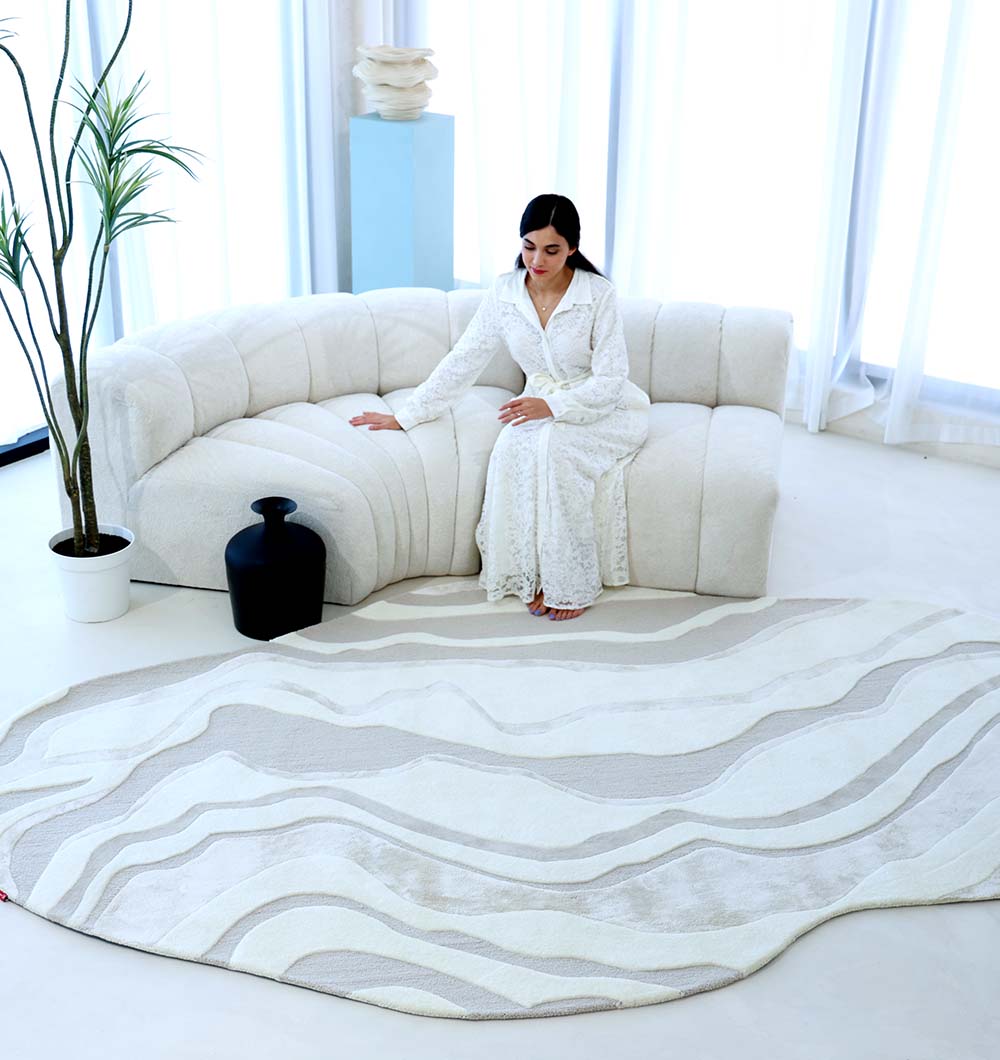
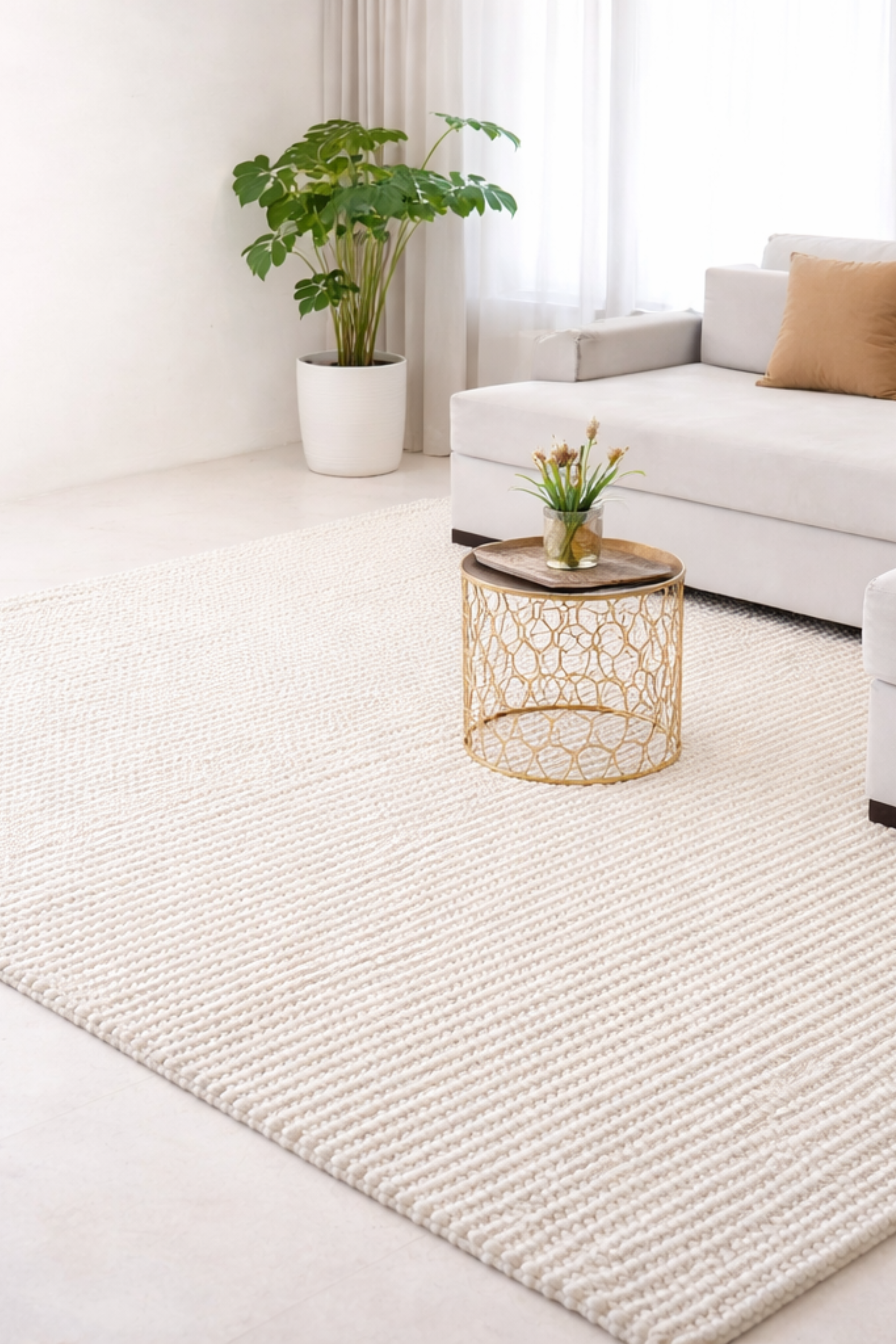
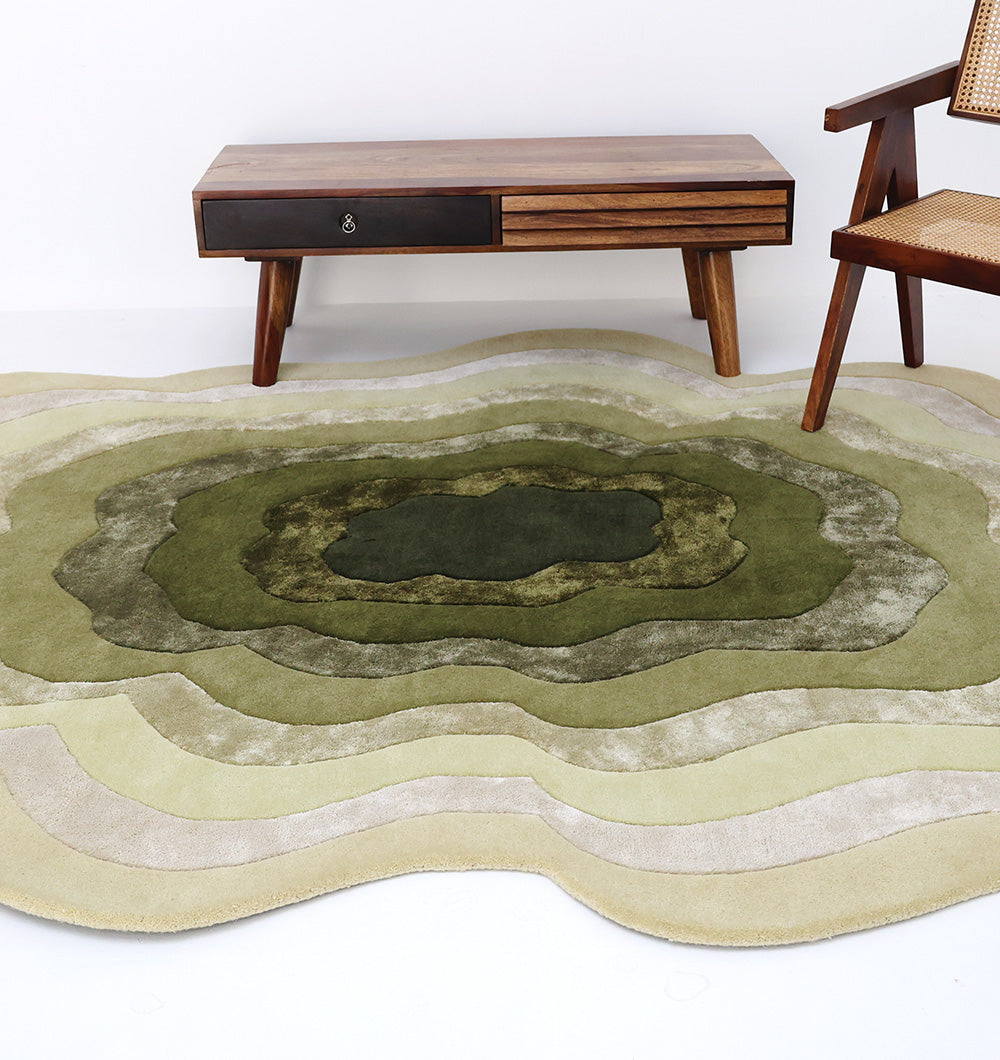
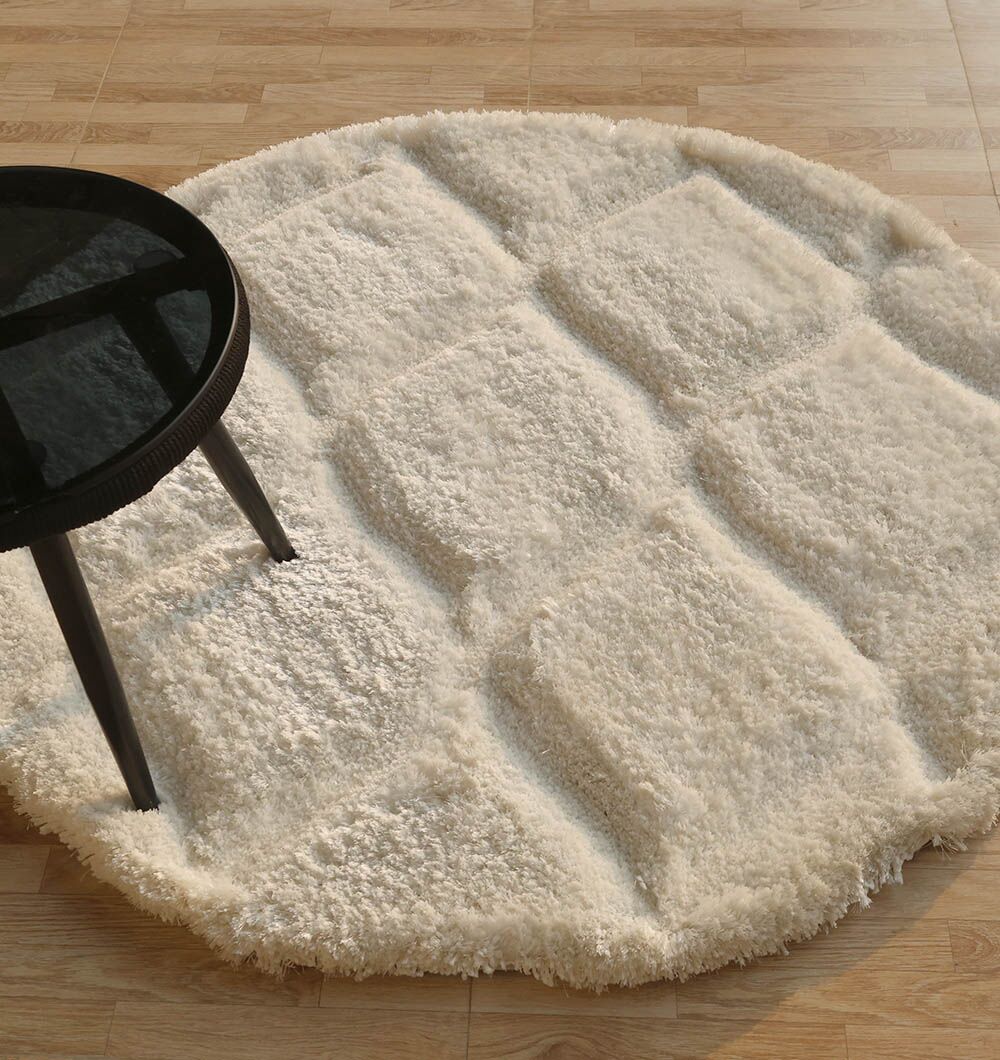
The UAE home furniture market is steadily moving towards higher-quality materials, premium designs, and personalized living spaces. As homeowners invest more in creating functional and stylish interiors, choosing furniture and rugs that reflect their lifestyle has become just as important as following the latest market trends.
Ramsha Home helps bring these trends to life with premium furniture, handcrafted rugs, and bespoke rug solutions for modern homes across the UAE. The brand has spent more than 30 years creating products that combine skilled craftsmanship with contemporary design, and it now serves customers in 65+ countries.
Whether you are furnishing a new home or renovating an existing space, Ramsha Home also offers custom rug services, allowing you to personalize the size, colors, materials, and design to suit your interior.
Explore the Ramsha Home collection or contact the team to create a custom rug customized to your space.
Data Sources
-
https://www.mordorintelligence.com/industry-reports/uae-home-furniture-market
-
https://www.imarcgroup.com/uae-home-furniture-market
-
https://openresearch.ocadu.ca/id/eprint/4071/7/Al%20Darwish_Lilian_2023_MDES_SFI.pdf
-
https://www.verifiedmarketresearch.com/product/uae-home-furniture-market/