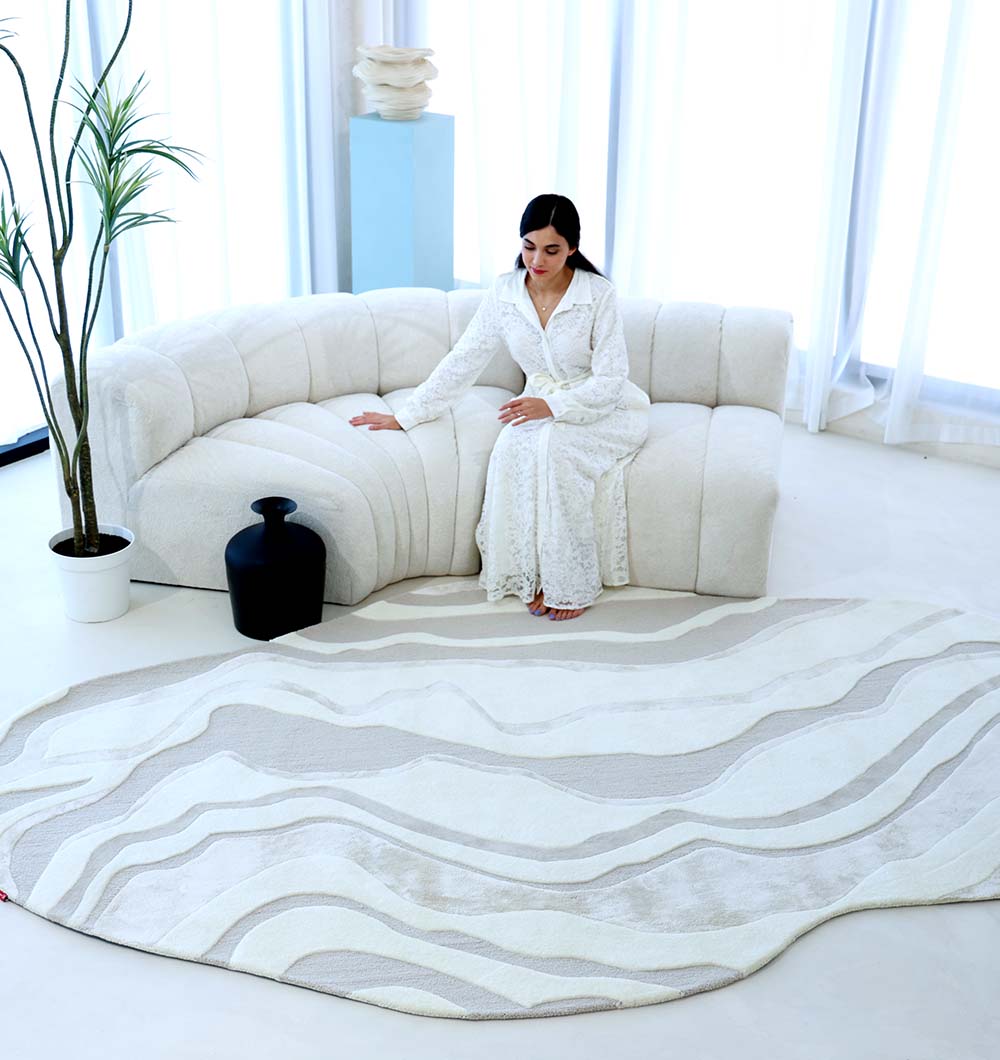
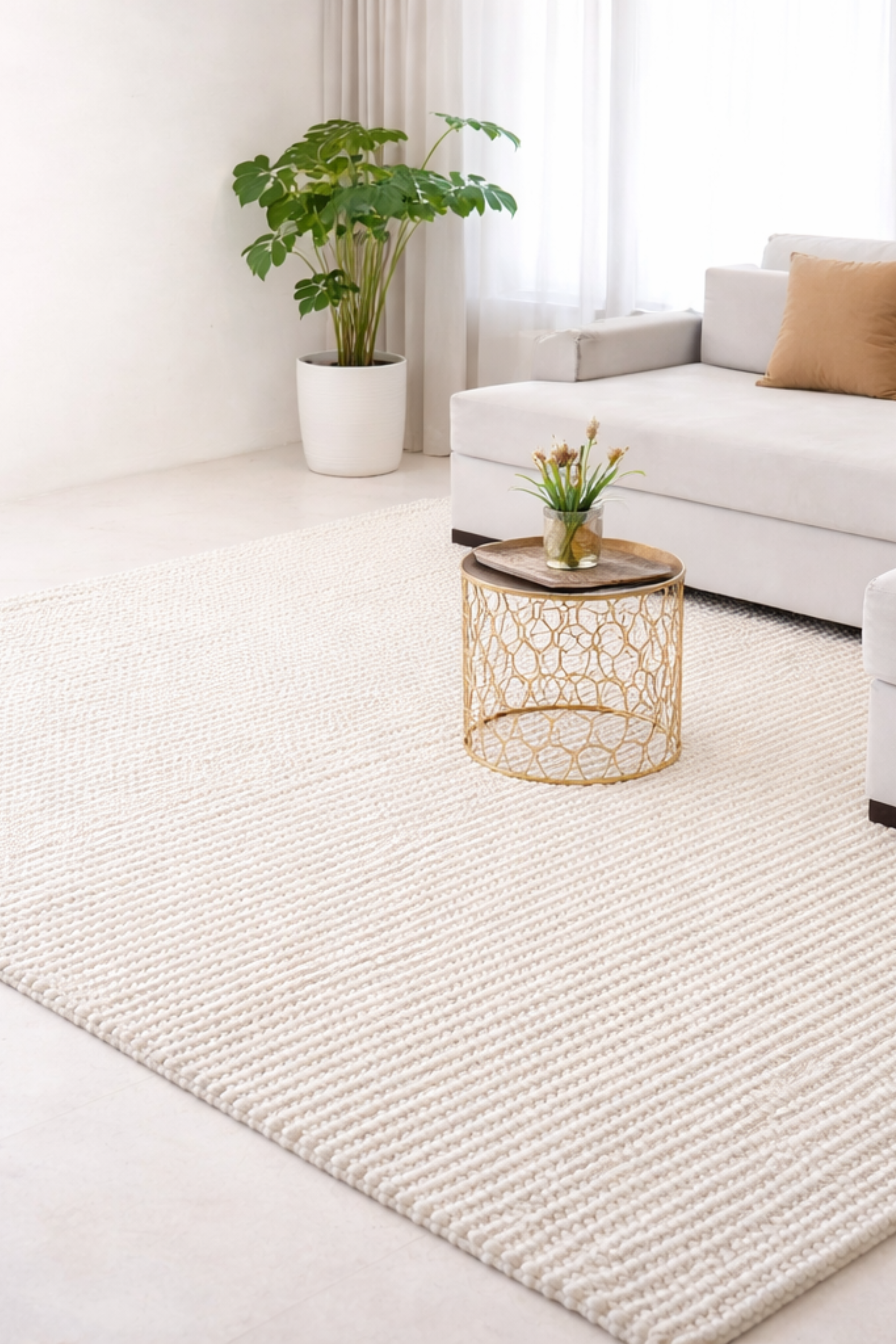
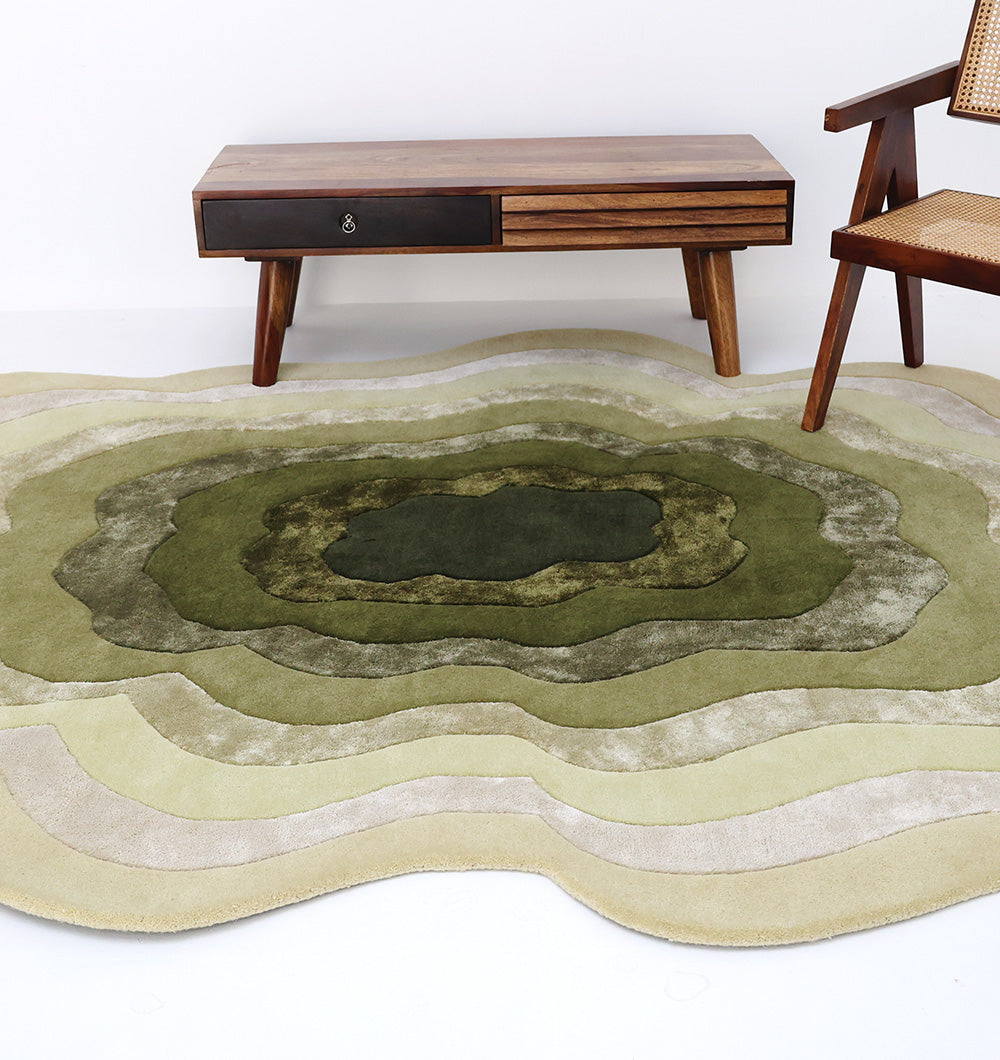
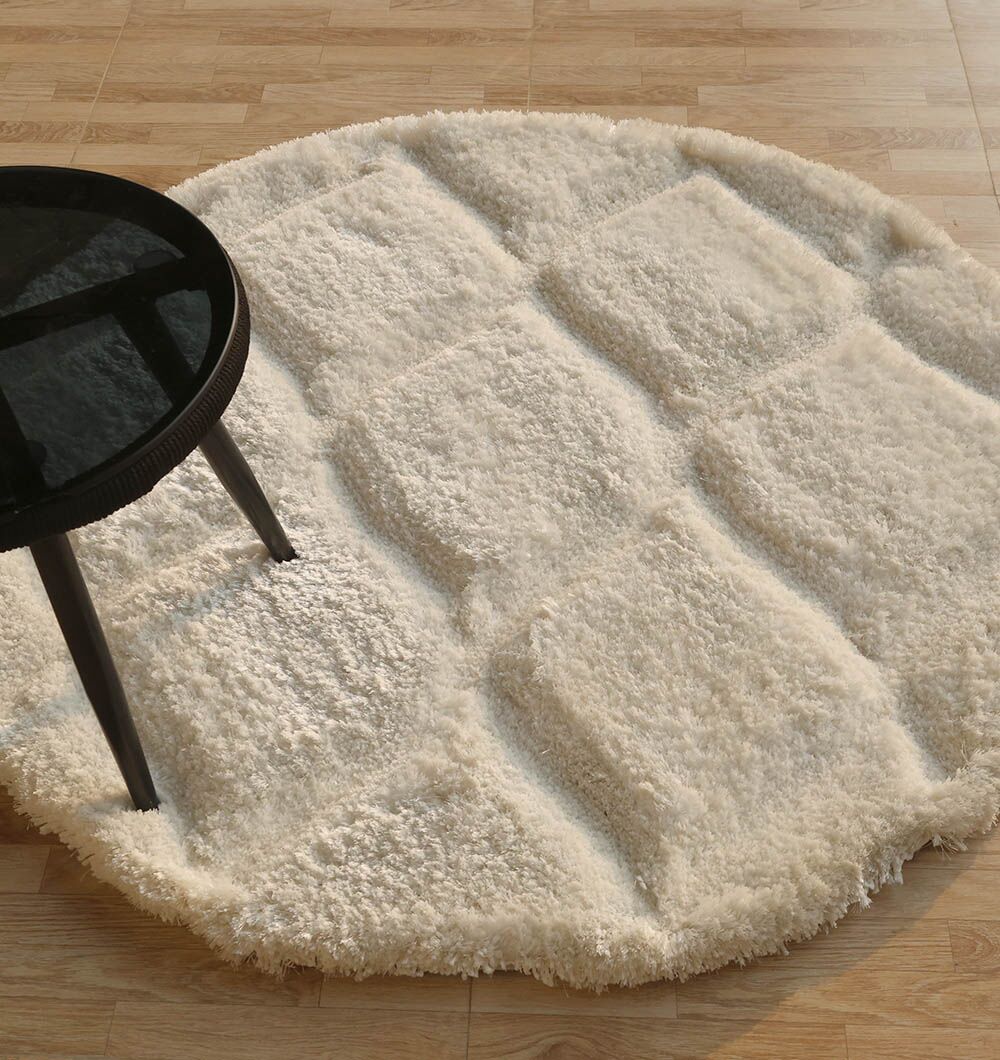
Shop High-Quality Rugs & Carpets
Browse over 2,000+ designs to find the right fit for your living room, bedroom, or office. Shop online today and enjoy free delivery straight to your door.
Explore Our Premium CollectionRugs may look similar on the surface, but the way they are made changes everything. From how long they last to how they feel underfoot and how much value they offer over time, the construction method matters more than most buyers realise.
As a buyer, knowing the difference between hand-knotted and hand-tufted rugs helps you make a smarter choice. It saves you from overpaying for the wrong rug or choosing something that does not suit your space or lifestyle. What looks like a small detail can decide whether a rug lasts for years or starts wearing out far too soon.
This guide is for homeowners, interior designers, and anyone buying a rug for the first time or upgrading an existing space. We break down the real differences in a clear and practical way so you can choose with confidence.
Before we move into the details, you can explore our curated rug collection at Ramsha Home to see how different craftsmanship styles come together in real designs.
What Is a Hand-Knotted Rug?
A hand-knotted rug is made by tying individual knots by hand onto a loom. Each knot is tied around the warp threads and secured before the next one is added. This process is slow and highly detailed, but it results in a rug that is strong, flexible, and built to last.
Artisans usually work on these rugs for months, sometimes even years, depending on the size and knot density. The tighter and finer the knots, the more detailed the design and the longer the rug will hold its shape. No shortcuts are involved, which is why hand-knotted rugs are valued for their craftsmanship.
Common materials used in hand-knotted rugs include:
- Wool for durability, softness, and natural resilience
- Silk for fine detailing and a subtle sheen
- Cotton for the foundation and structural strength
- Blended fibres to balance texture and cost
Each material plays a specific role in how the rug performs over time.
Why Hand-Knotted Rugs Are Considered Heirloom Pieces
Hand-knotted rugs are considered heirloom pieces because they are made to last for decades. With proper care, they can handle daily use without losing their structure or design.
The knots do not rely on glue or synthetic backing, so the rug ages naturally instead of breaking down. Over time, the fibres soften while the construction stays intact. This allows the rug to be cleaned, repaired, and even restored rather than replaced.
What Is a Hand-Tufted Rug?
A hand-tufted rug is made by pushing yarn into a pre-drawn design on a fabric base using a tufting gun or hand tool. Instead of tying individual knots, the yarn is punched through the backing to create the pile. This makes the process much faster than hand-knotting.
After tufting, a layer of latex glue is applied to hold the yarn in place, and a secondary backing is added for support. Because of this method, hand-tufted rugs can be produced in weeks rather than months, allowing for more design flexibility and quicker availability.
Common materials used in hand-tufted rugs include:
- Wool for comfort and warmth
- Viscose for a smooth finish and sheen
- Cotton canvas as the base fabric
- These materials help create rugs that look refined while remaining more accessible in price.
These materials help create rugs that look refined while remaining more accessible in price.
Why Hand-Tufted Rugs Are Popular in Modern Homes
Hand-tufted rugs are popular because they offer style without a long wait time or high cost. They allow for bold patterns, trendy colours, and contemporary designs that suit modern interiors.
These rugs work well in low to medium traffic areas such as bedrooms, home offices, and sitting areas. They provide comfort underfoot and make it easy to refresh a space without a long-term commitment.
Hand-Knotted vs Hand-Tufted: Side-by-Side Comparison
Both hand-knotted and hand-tufted rugs are handmade, but the way they are constructed leads to clear differences in quality, lifespan, and value. Here is a simple comparison across the factors that matter most to buyers.
| Factor | Hand-Knotted Rugs | Hand-Tufted Rugs |
|---|---|---|
| Construction Method | Individual knots tied by hand on a loom. | Yarn punched into a fabric base using a tool. |
| Time to Make | Takes months or even years. | Completed in a few weeks. |
| Durability | Very high; suitable for heavy traffic. | Moderate; best for light/medium use. |
| Lifespan | Can last several decades (heirloom quality). | Typically lasts 5 to 10 years. |
| Backing | No glue or synthetic backing used. | Latex glue with a secondary fabric backing. |
| Design Detail | Fine and intricate patterns possible. | Bold and simpler designs. |
| Feel Underfoot | Firm yet comfortable. | Softer and more cushioned. |
| Maintenance | Easier to deep clean and repair professionally. | Limited repair options due to glue backing. |
| Price Range | Higher upfront investment. | More affordable and budget-friendly. |
| Long-term Value | Strong long-term investment. | Lower long-term resale value. |
This comparison helps you see beyond appearance and focus on what fits your space, usage, and budget best.
Which Rug Is Right for Your Home?
Let us help you choose the right rug based on how you actually use your space. The best rug is not the most expensive one, but the one that fits your lifestyle, budget, and expectations over time.
Buying for living rooms
Living rooms usually see the highest foot traffic. A hand-knotted rug works best here because it holds up well to daily use and keeps its shape for years. It is a better choice if the rug is a long-term part of your home.
Buying for bedrooms and low traffic areas
For bedrooms, reading corners, or home offices, comfort and design often matter more than heavy durability. A hand-tufted rug works well in these spaces and adds warmth without a high upfront cost.
Buying on a low budget
If you want a well-designed rug without stretching your budget, hand-tufted rugs are a practical option. They allow you to enjoy good materials and modern designs at a more accessible price.
Buying for rental homes
In rental spaces, flexibility is important. Hand-tufted rugs make more sense since they are easier to replace and suit short to medium-term use without a large investment.
Buying for long-term homes
If you are furnishing a home you plan to stay in for years, a hand-knotted rug is worth considering. It ages well, can be cleaned and repaired, and often becomes part of the home rather than just décor.
Choosing with purpose helps you get the most value from your rug and ensures it fits naturally into your everyday life.
How Ramsha Home Helps You Choose the Right Rug
At Ramsha Home, we offer both hand-knotted and hand-tufted rugs so you can choose what truly fits your space and lifestyle. Every rug in our collection is selected with a clear focus on quality, material, and practical use.
Our team of experts can help you understand the differences, recommend the right size, and guide you based on your budget and usage. If you prefer personalised support, we offer a Chat to Purchase service that allows you to connect with us directly over WhatsApp. You can ask questions, share room photos, and get real guidance before making a decision.
We can even show you rugs over a video call so you can see the details, texture, and colours in real time. This kind of experience helps you choose with confidence, even when buying online.
For those who prefer to see rugs in person, we also have retail stores that you can visit. Touching the rug, feeling the texture, and seeing the craftsmanship up close often makes the choice easier.
Ramsha Home is one of the most trusted names in rugs, backed by over 30 years of experience in craftsmanship and sourcing. You can explore our collection online or connect with our team for expert advice. We are here to help you find a rug that truly belongs in your home.