When you look at a finished rug in your home, it’s easy to focus on the design, colour, or texture. But what most people don’t see is the detailed process behind it, the materials, the craftsmanship, and the multiple stages that go into making each piece.
At Ramsha Home, carpet manufacturing is not a single-step process. It is a carefully structured journey that combines traditional craftsmanship with modern production techniques.
From raw yarn to the final finished rug, every stage is handled in-house to maintain quality, consistency, and design precision.
This guide gives you a complete look at how carpets are prepared inside Ramsha Home’s factory from sourcing materials to weaving, finishing, and final inspection.
How Carpets Are Made at Ramsha Home
|
Stage |
What Happens |
What It Impacts |
|
Material Selection |
Fibres are chosen based on usage and durability needs |
Texture, strength, and longevity |
|
Yarn Dyeing |
Yarn is dyed in controlled, in-house conditions |
Colour depth and consistency |
|
Design Development |
Patterns are created and adjusted for space and scale |
Visual balance and fit |
|
Production Method |
Rugs are hand-knotted, tufted, or machine-made |
Structure and detailing |
|
Specialised Techniques |
Methods like braiding or printing are applied where needed |
Texture and finish |
|
Finishing |
Surface is cleaned, trimmed, and refined |
Overall feel and look |
|
Backing & Reinforcement |
Support layers are added in certain constructions |
Stability and durability |
|
Quality Inspection |
Each rug is checked before approval |
Consistency and quality |
|
Packaging |
Rugs are packed securely for delivery |
Protection during transit |
|
Adaptation for Use |
Process varies for residential or commercial needs |
Suitability for space |
Step 1: Sourcing and Preparing Raw Materials

Before any design is finalised, the focus is on the material. This is where the foundation is decided not just in terms of look, but in terms of behaviour.
Inside the factory, fibres are selected based on where the rug will eventually be used. A piece meant for a high-traffic commercial area needs to hold its structure over time, while one designed for a living room or bedroom is expected to feel softer and more comfortable underfoot.
Wool, cotton, jute, and synthetic blends are all part of the material pool, but they are not interchangeable. Each brings a different weight, texture, and response to wear. What matters here is not just how the material looks in the beginning, but how it performs months later once it becomes part of a space.
Step 2: Yarn Dyeing and Colour Development

Once the material is ready, attention shifts to colour but not in the way most people expect.
At Ramsha Home, dyeing is handled in-house, which allows better control over how colours develop and repeat across batches. This becomes especially important when the same design needs to be produced multiple times or in larger quantities.
The yarn is prepared and dyed under controlled conditions so that the colour settles evenly. At the same time, not every design calls for perfect uniformity. Some rugs are meant to carry slight tonal variation, which gives them a more natural and layered appearance.
By the end of this stage, the rug doesn’t physically exist yet, but its visual identity is already defined.
Step 3: Design and Customisation

Design at this stage is not just about creating patterns it is about making sure those patterns actually work within a space.
The in-house team works on proportions, layout, and colour balance, keeping in mind where the rug will be placed. A design that looks right in a compact residential setting may not translate the same way in a larger commercial environment.
There is also room for adjustment here. Instead of forcing a standard design into every setting, proportions and details are often refined so that the rug fits naturally into its intended space.
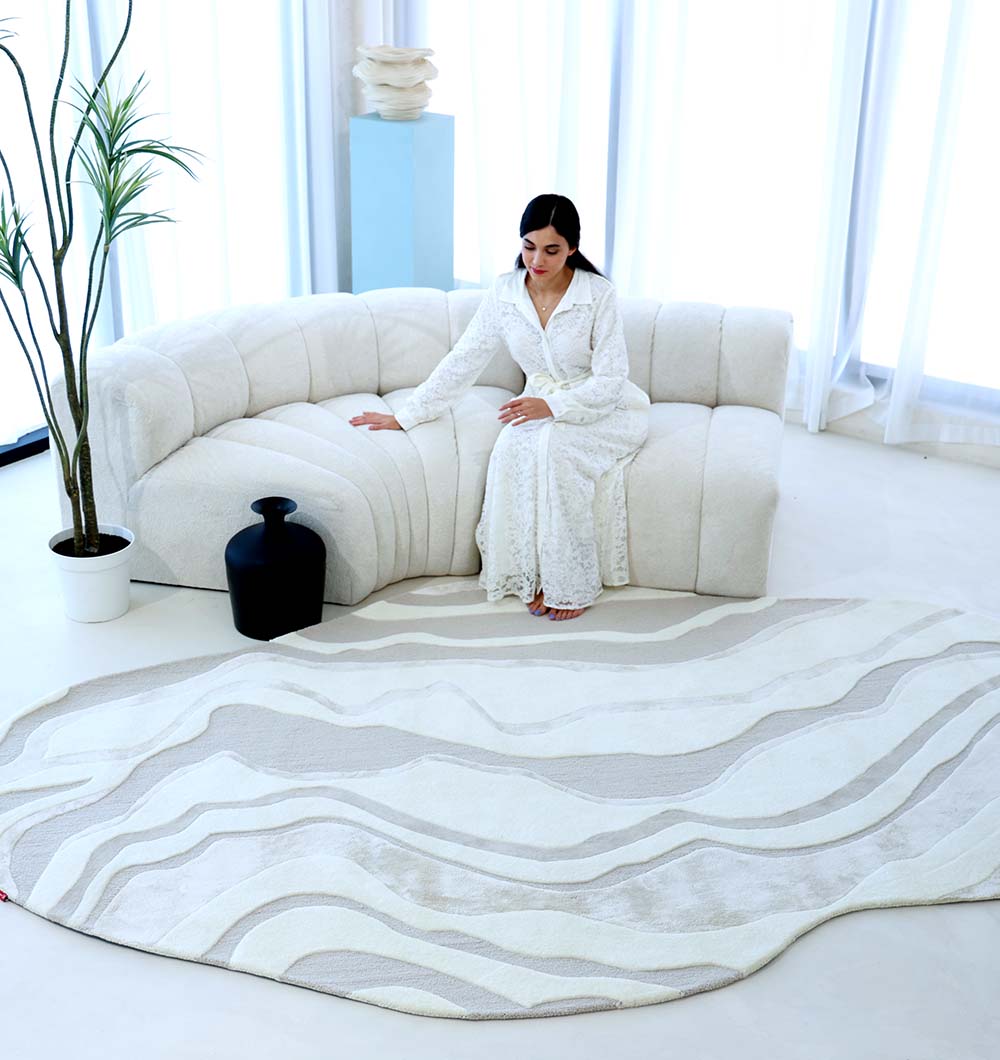
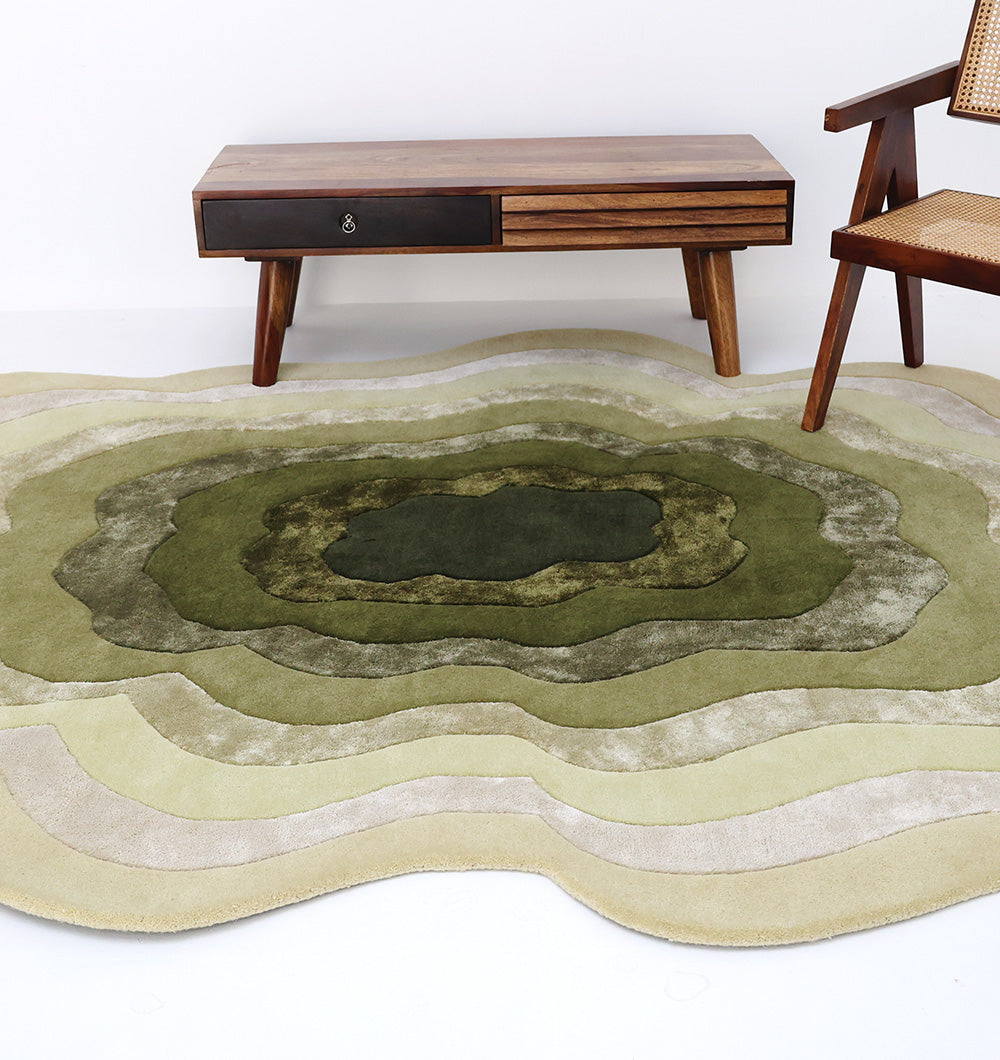
You can see how this flexibility shows up across the all rugs collection, where designs feel varied without losing structure.
Step 4: Weaving – Where the Carpet Takes Shape
The weaving stage is where the actual carpet starts to come to life. At Ramsha Home’s production unit, this process is carried out in a dedicated weaving area where skilled artisans and advanced machinery work together.
Depending on the type of rug, different techniques are used:
Hand-Knotted Rugs

These are created by tying individual knots by hand on a loom. Each knot is secured row by row, making the rug extremely durable and detailed.
Hand-Tufted Rugs
In this method, artisans use a tufting gun to insert yarn into a stretched canvas. This allows for faster production while still maintaining design flexibility.
Machine-Made Rugs
Advanced machines are used to produce consistent patterns at scale, making them ideal for commercial use.
The weaving stage requires precision, as it defines:
-
The structure of the rug
-
Pattern accuracy
-
Density and durability
Step 5: Specialized Production Techniques
Ramsha Home also uses multiple specialised techniques depending on the rug type.
Braided Rugs
Made by intertwining fibres such as yarn, fabric, or jute, with a strong internal core for durability.
Digital Printing
Colours and patterns are transferred onto carpets using heat and pressure, ensuring sharp and vibrant designs.
Screen Printing
Used for high-definition patterns, especially on cotton-based rugs.
Circular Knitting
Creates seamless structures, often used for specific rug styles and textures.
Table Tufting
High-speed tufting machines are used to achieve accuracy and consistency in design.
These techniques allow Ramsha Home to produce a wide variety of rugs suited for different uses and aesthetics.
Step 6: Finishing and Backing
After the rug is formed, it still needs refinement before it can be considered complete.
This is where the surface is cleaned, excess fibres are trimmed, and the overall texture is evened out. The goal is not to change the design, but to make sure the rug feels consistent when used.
For certain constructions, especially tufted rugs, a backing layer is added to hold the yarn securely in place. Edges are also refined so that the rug sits properly when laid out.
This stage may not be the most visible, but it has a direct impact on how the rug performs over time.
Step 7: Inspection and Quality Control

Before any rug is packed, it is carefully inspected. This is where small inconsistencies are noticed, things that may not stand out immediately but could become visible once the rug is placed in a room. Alignment, colour balance, and finishing are all reviewed.
Only pieces that meet the required standard move ahead. This helps maintain consistency across collections and ensures that what reaches the customer reflects the intended design and quality.
Step 8: Packing and Final Preparation
Once approved, the rug moves into its final stage before leaving the factory.
It is folded or rolled carefully, depending on the structure, and packed to prevent damage during handling or transport. Labelling ensures that each piece can be tracked and identified easily.
The focus here is simple to make sure the rug reaches its destination in the same condition it left the production floor.
Step 9: Customisation for Different Spaces
One thing that becomes clear across the process is that not all rugs are made the same way.
A rug designed for comfort will differ from one built for durability. Materials, techniques, and finishing all shift depending on where the rug will be used.
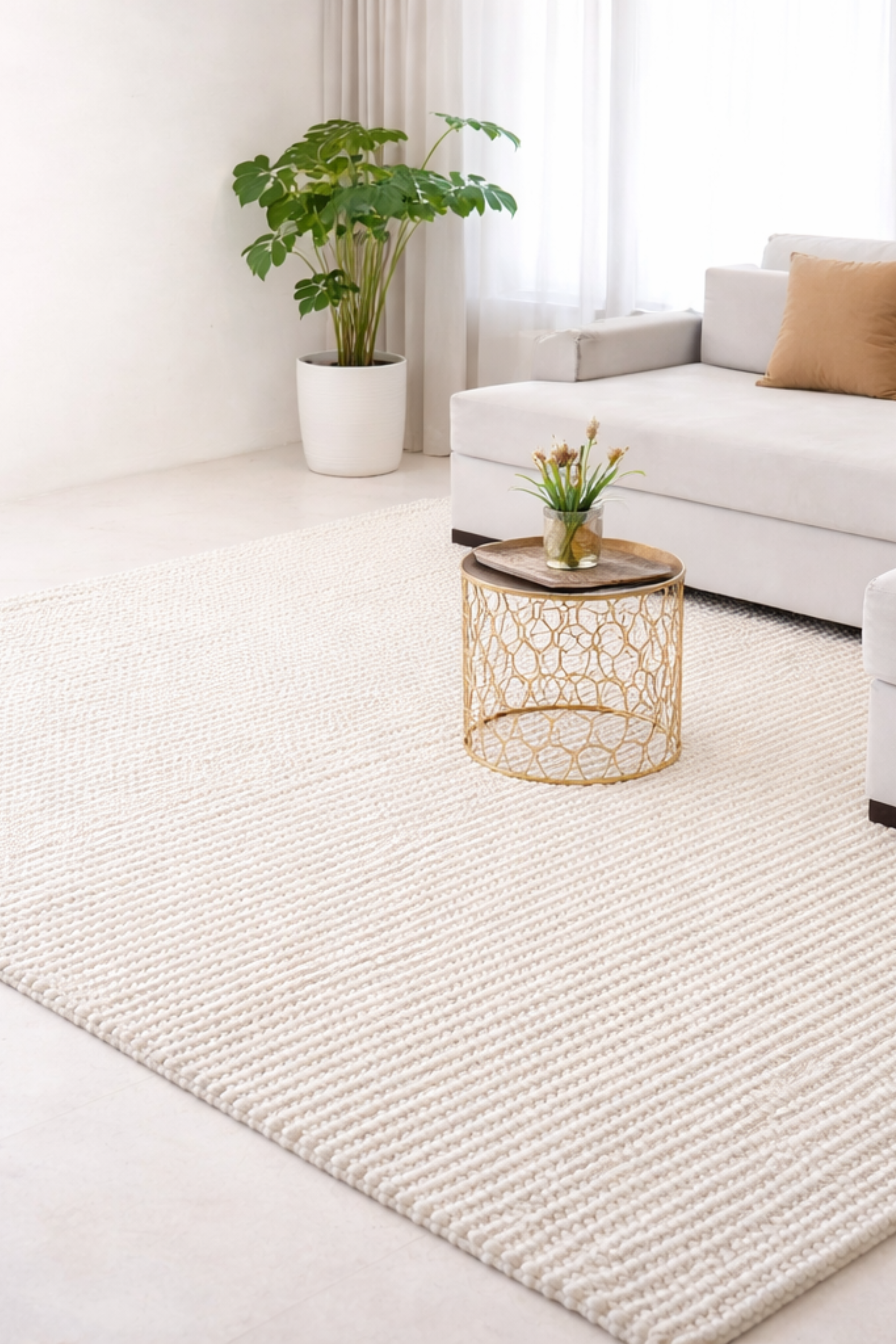
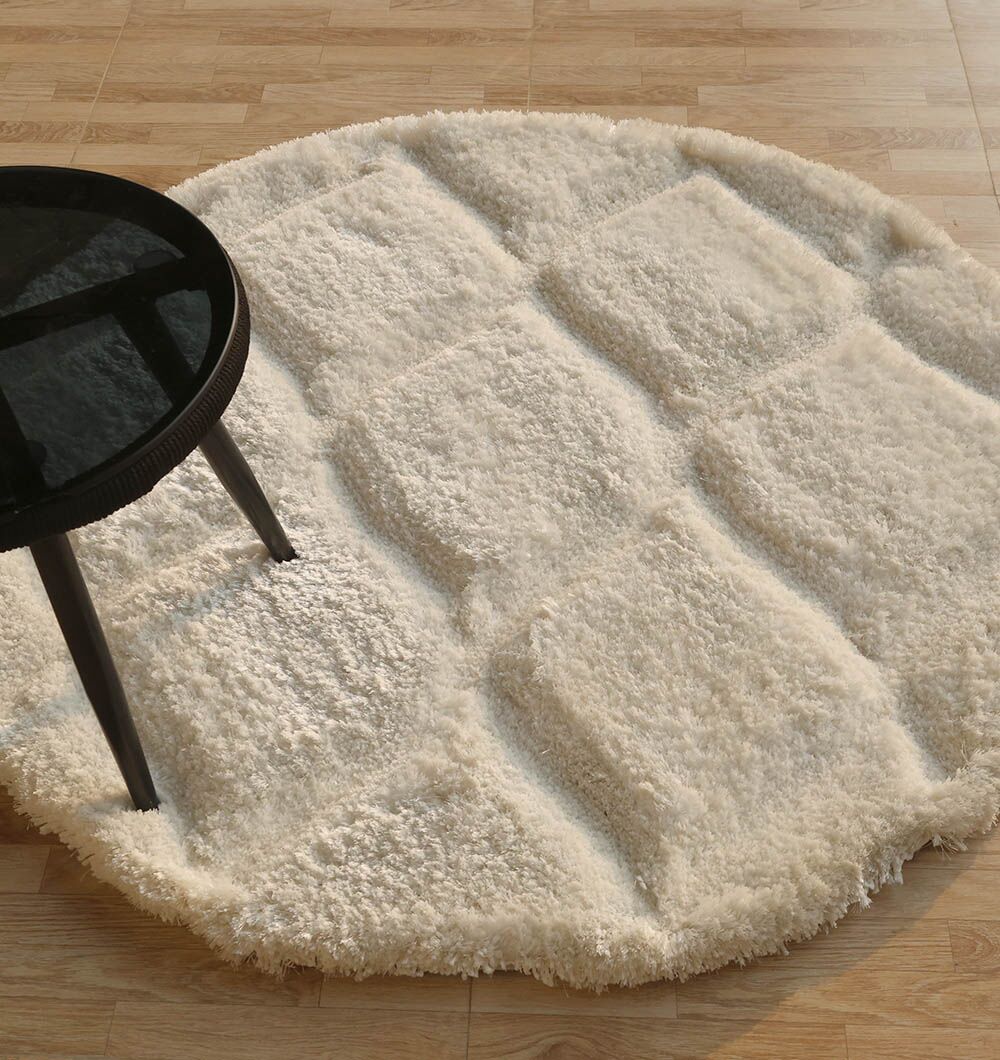
For example, softer textures can be seen in the shaggy rugs collection, while more natural and structured finishes are visible in the braided jute rugs collection.
This variation is intentional, it ensures that the rug fits the space, rather than the other way around.
Step 10: Blending Craftsmanship with Modern Production

What sets Ramsha Home apart is the balance between traditional craftsmanship and modern efficiency.
The manufacturing process:
-
Preserves artisan techniques
-
Uses modern machinery for scalability
-
Maintains in-house production control
-
Ensures consistent quality across batches
With a team of skilled artisans and integrated production units, every rug reflects both heritage and innovation.
Why This Process Matters
Once you understand how a rug moves through each stage from fibre selection to finishing and inspection it becomes easier to see why some rugs hold up over time while others don’t.
A well-made rug is not just about how it looks on day one. It reflects a series of decisions that are made long before it reaches a home or a commercial space. The way the material is chosen affects how the rug responds to daily use.
The way the yarn is dyed influences how the colour settles and how it behaves under light. The method used to construct the rug determines how well it holds its structure over time.
Even the finishing and inspection stages play a role that isn’t immediately visible. A rug that has been properly trimmed, balanced, and checked will feel more even underfoot and will age more consistently.
This is why higher-quality rugs tend to stand out not always instantly, but gradually. They retain their shape, their colours don’t fade unevenly, and the surface doesn’t break down quickly with use. The difference comes from the process behind them, not just the design on the surface.
Explore Rugs Crafted with Precision at Ramsha Home
At Ramsha Home, every rug is shaped through a process that is carefully controlled at each stage, from the initial material choice to the final inspection. The focus is not only on creating visually appealing designs but on ensuring that those designs translate into products that perform well over time.
Because the production is handled within a connected system, there is consistency across collections, even when the styles vary. At the same time, the process allows flexibility, making it possible to accommodate different sizes, materials, and design preferences without compromising on quality.
Whether you are selecting a rug for a residential setting or a commercial space, the options are built to suit different requirements rather than follow a one-size-fits-all approach.
You can explore a wide range of styles, textures, and constructions in the Ramsha Home rugs collection and find pieces that reflect both thoughtful design and a well-structured manufacturing process.