0
0

Blog

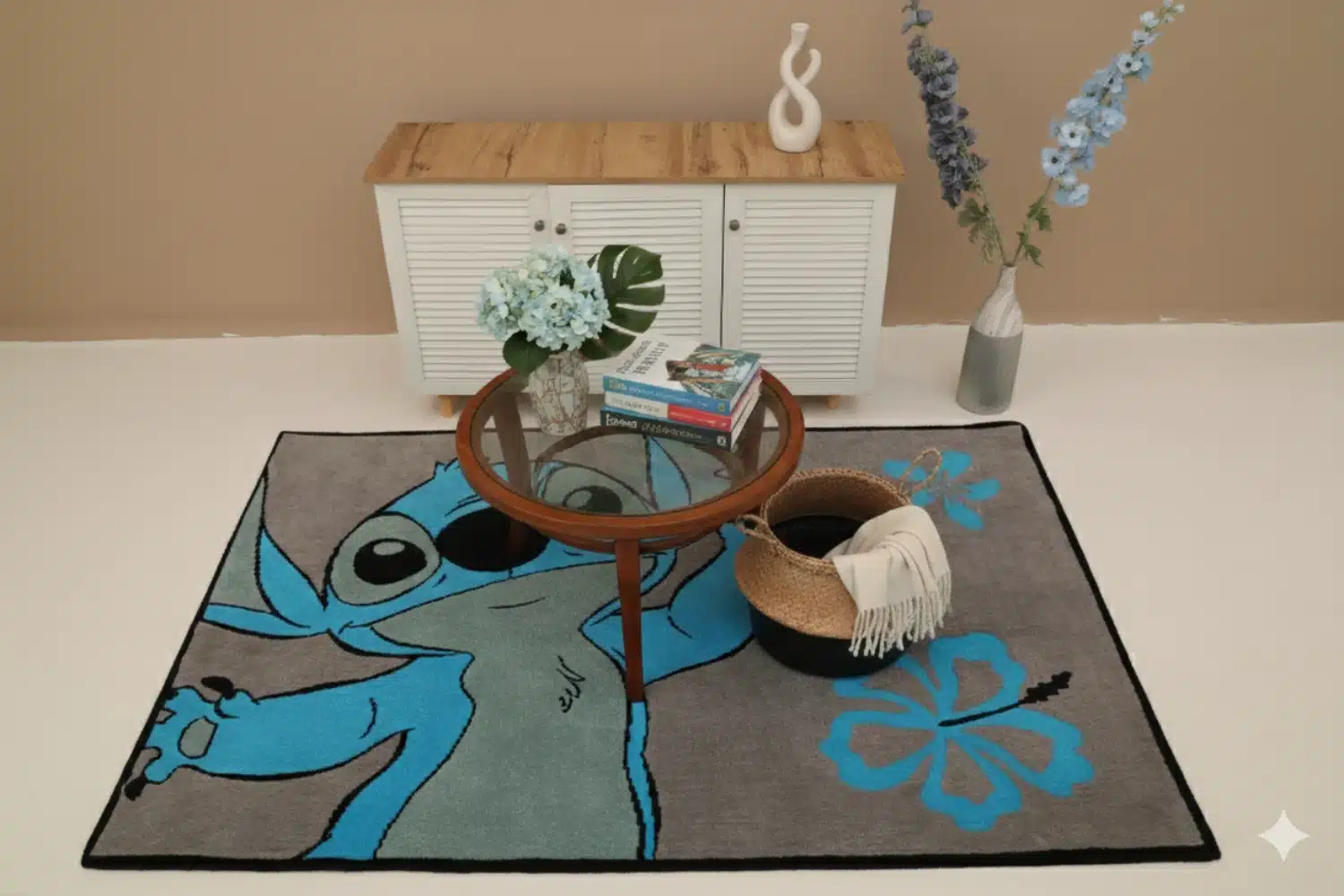

Many rooms look unfinished because the rug is either too small, placed in the wrong spot, or not aligned with the furniture. This creates empty patches of floor, uneven layouts, and seating areas that feel disconnected.
You also end up wasting time and money on rugs that do not fit the room or support daily use. Poor placement can even make a large room look smaller and a well-designed space look cluttered.
This rug placement guide for living rooms, bedrooms, and dining areas explains the best layouts, sizes, and measurements to use so every room feels intentional, organized, and complete. It shows you exactly how to place your rug for the right look and the right function.
Why Proper Rug Placement Counts
You should start with the basics. A good rug does more than cover the floor. It connects furniture pieces and sets the room’s mood. For example, a large rug in a living room brings sofas and chairs together for easy talking. In a bedroom, a soft rug greets your feet each morning. In a dining area, it protects the floor from chair scratches and spills.
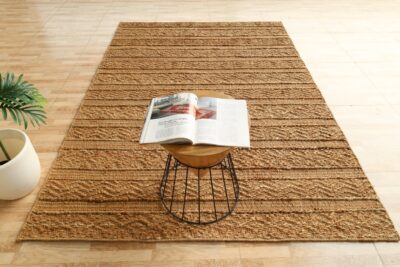
👉 For a natural and long-lasting option, you can also explore braided jute rugs from Ramsha Home.
Consider these factors in every room:
- Choose materials wisely. Wool rugs last long and feel soft. Synthetic options clean easily and cost less.
- Match shapes to your needs. Rectangular rugs fit straight furniture lines. Round rugs soften sharp corners.
- Think about care. Busy areas need lowpile rugs that resist dirt. Quiet spots can have thick, plush ones.
- Measure everything first. Know your room size, furniture dimensions, and walking paths. Leave 12 to 24 inches of bare floor near walls for a clean look.
Living room rug placement guide
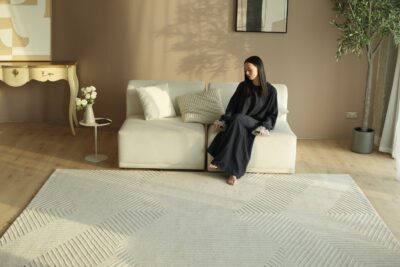
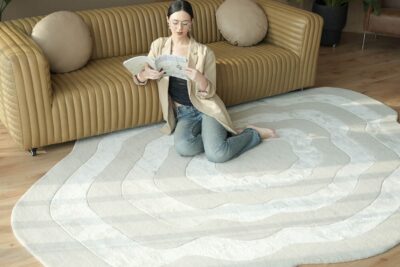
The living room rug plays an important role in shaping the seating area and giving the entire room a sense of structure. It connects the sofa, chairs, and coffee table so the arrangement feels unified and inviting. The right size and placement depend on how you organize your furniture and how much space you want to cover.
👉 If you prefer sturdy and versatile styles for high-traffic living rooms, Ramsha Home offers a wide range of woven rugs that fit many layouts.
All legs on the rug
This layout uses a large rug that holds the entire seating group. The sofa, chairs, and coffee table all sit completely on the rug, which creates a cohesive and luxurious look. This placement works best in medium to large living rooms because it visually expands the space and makes the furniture feel like a single connected unit. A large rug also softens the room and adds comfort underfoot.
👉 Homeowners looking for premium quality can choose from Ramsha Home’s collection of handmade carpets, which work well with full furniture placement.
Front legs on the rug
This layout works well in many homes because it offers balance without requiring an oversized rug. Only the front legs of the sofa and chairs rest on the rug, while the back legs stay on the floor. This keeps the seating group visually anchored while allowing some flexibility in the arrangement. The coffee table stays on the rug, creating a strong focal point in the center of the room.
Rug placed in front of the sofa
Small living rooms or apartments benefit from a rug placed directly in front of the sofa. The rug sits under the coffee table and extends slightly into the seating area without covering the entire floor. This setup defines the space neatly without overwhelming a compact layout. It adds warmth and visual structure while allowing the room to feel open.
👉 Budget-friendly living rooms can also pair well with Ramsha Home’s durable machine-made rugs designed for everyday use.
Bedroom rug placement guide
A bedroom rug adds comfort, softens the space, and frames the bed so the room feels more refined. It also reduces empty floor areas and makes the layout look intentional. The best placement depends on bed size and how much of the surrounding floor you want covered.
Rug under the lower two-thirds of the bed
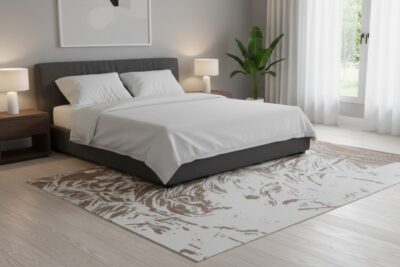
This is the most common and balanced choice for most bedrooms. The rug sits under the lower portion of the bed and extends on the sides and at the foot. This placement gives you a soft surface to step onto in the morning and keeps the rug visible on all sides without crowding the nightstands. It also highlights the bed as the main feature of the room.
Rug placed fully under the bed
Larger bedrooms often use a rug that sits under the entire bed, including the nightstands. This creates a full, cohesive look that makes the room feel grounded from end to end. The rug extends evenly around the bed, giving the space a calm and luxurious feel. This setup works especially well in rooms with king or California king beds.
Runners placed on each side of the bed
Small bedrooms benefit from runners placed along both sides of the bed. This layout adds comfort while leaving most of the floor visible, which helps the room feel open. It is a practical choice when you cannot fit a large rug under the bed but still want softness next to the sleeping area. You can also add a small rug at the foot of the bed for extra style.
Dining Area rug placement guide
A rug in the dining area must handle frequent chair movement while keeping the space visually anchored. It protects the flooring, outlines the dining zone, and improves the overall look of the room. The right placement ensures that chairs remain steady and fully supported, even when pulled out.
Rug matched to a round dining table
Round dining tables pair well with round rugs because both shapes work together to create a smooth and balanced layout. The rug should be large enough for all chairs to stay on it when pushed back. This creates a clean and organized appearance that highlights the round shape as the center of the dining area.
Rug matched to a rectangular dining table
Rectangular rugs complement rectangular dining tables by reflecting their shape and giving the seating area a strong visual frame. This placement works well in both open-plan layouts and separate dining rooms because it defines the eating zone clearly. The rug should extend well beyond the edges of the table so the chairs remain fully supported at all times.
Rug extending 24–30 inches beyond the table
Regardless of the table shape, the rug should extend at least 24 to 30 inches past every side of the table. This ensures that chairs stay on the rug when people sit down or move their seats back.
This measurement creates a smooth dining experience while also giving the rug enough scale to feel proportionate to the table and room.
This is custom heading element

Article By
Asif Hasan
Asif Hasan is a recognized expert in textile artistry, global sourcing, and e-commerce growth within the hand-knotted rugs and carpets sector. As the CEO of Ramsha Home, he focuses on preserving traditional weaving techniques while implementing modern digital strategies to bring authentic, high-quality floor coverings from artisan workshops to global customers. He specializes in optimizing the carpet supply chain and ensuring the sustainable trade of premium home textiles.