0
0

Blog

Buying a rug is more than just picking a pattern you like. The right rug can enhance your home’s style, while the wrong one can disrupt the entire look. Many homeowners make simple but costly mistakes when choosing rugs, from getting the size wrong to ignoring texture, lighting, and material.
This guide covers the most common rug-buying mistakes to avoid in 2026 so you can choose a rug that fits perfectly, complements your decor, and lasts for years.
1. Choosing the Wrong Size
A rug that is too small or too large can ruin the balance of a room. A small rug makes furniture look disconnected, while an oversized one can make the space feel cramped.
The rug should define the layout, not fight against it. The right size helps furniture feel anchored and the room looks cohesive. For a balanced effect, the front legs of your main furniture should rest on the rug, creating a unified visual flow.
Action tips:
- Measure the space carefully before shopping.
- Leave at least twelve inches of visible floor space around the edges.
- Use masking tape to outline rug placement before buying.
2. Ignoring the Room’s Color Palette
A rug that does not blend with your existing colors can break the visual harmony of your home. Many buyers pick rugs that look beautiful in isolation but clash with the wall paint or furniture. In 2025, color coordination is more important than ever.
A rug should tie your decor together. Neutral interiors can benefit from bold or patterned rugs, while colorful spaces need neutral or textured designs to balance the tones.
Action tips:
- Take paint or fabric samples when shopping.
- Match accent colors like cushions or curtains instead of the main shades.
- Think of the rug as part of the overall color plan, not a last-minute add-on.
3. Overlooking Material and Durability
Many homeowners focus only on the appearance of a rug without checking its material quality. This often leads to premature wear and disappointment. Wool rugs are strong, warm, and naturally resistant to stains.
Synthetic rugs like nylon and polyester are easier to clean and handle foot traffic well. For eco-conscious buyers, jute and sisal are great for dry zones. The right material depends on where you plan to use the rug and how much activity that area gets.
Action tips:
- Use wool for living rooms or areas with heavy traffic.
- Choose cotton or synthetic rugs for dining rooms or hallways.
- Avoid silk or viscose rugs in moisture-prone spaces.
4. Forgetting About Maintenance
Every rug type needs proper care, but many buyers forget to check cleaning requirements before purchasing. A thick, luxurious rug might look appealing, but it can trap dust and require frequent cleaning. Flatweave or low-pile rugs are easier to maintain, especially for homes with pets or children.
Ignoring maintenance can reduce a rug’s lifespan and make it look dull much faster. Always read the care instructions before deciding.
Action tips:
- Vacuum the rug weekly to remove dirt and debris.
- Use a rug pad to protect it from friction and slipping.
- Rotate rugs every few months to ensure even fading.
5. Neglecting the Room’s Function
A rug’s purpose changes depending on where you use it. A delicate fabric in a busy hallway will not last long, while a coarse texture in a bedroom can feel uncomfortable.
Before buying, think about the room’s function. A cozy, plush rug fits perfectly in a reading corner or lounge area, while a tightly woven rug works better in dining rooms. Matching the rug to the room’s activity level helps it stay beautiful and practical.
Action tips:
- Use soft, high-pile rugs in quiet, relaxing areas.
- Select durable, flatweave rugs for high-traffic zones.
- Opt for darker colors to hide stains in busy areas.
6. Skipping the Rug Pad
A rug pad is not optional. It prevents slipping, adds comfort, and protects both the rug and your flooring. Without a rug pad, the carpet may move out of place or wrinkle, especially on smooth tiles or wooden floors. Pads also reduce wear and tear by absorbing pressure. Many buyers skip this simple accessory and later face issues like uneven surfaces or damage to the floor underneath.
Action tips:
- Use non-slip pads under rugs placed on hard floors.
- Trim the pad slightly smaller than the rug for a neat finish.
- Invest in high-quality felt or rubber pads for maximum comfort.
7. Buying Without Testing Texture and Feel
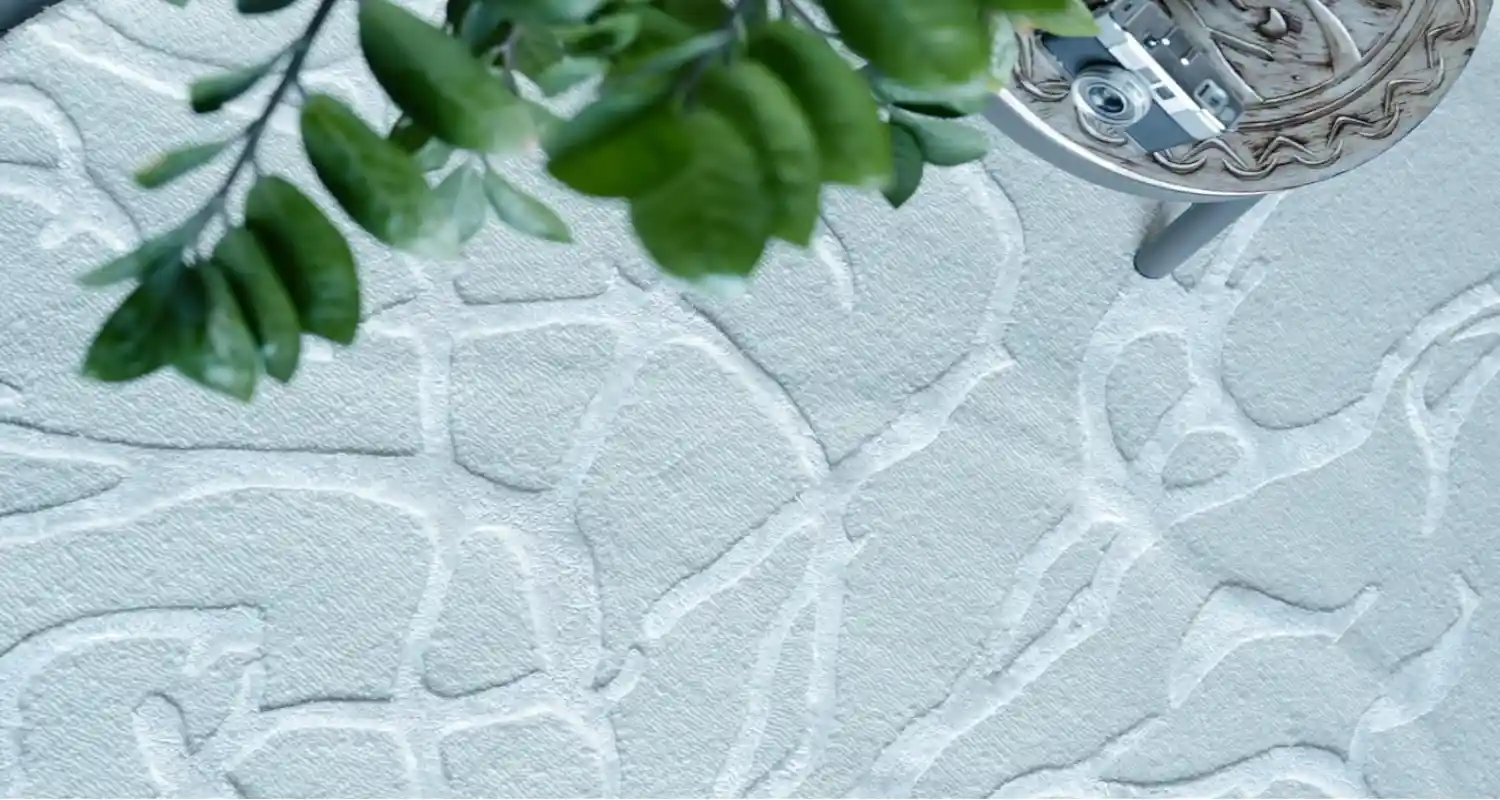
A rug may look perfect online but feel uncomfortable in reality. Texture plays a huge role in how inviting your space feels. A coarse jute rug may complement the decor but feel rough underfoot. Similarly, a deep shag rug may feel luxurious but trap dust easily.
Always feel the rug’s surface before buying or request a sample if purchasing online. Comfort is essential, especially in spaces where people walk barefoot or sit on the floor.
Action tips:
- Touch and test the rug’s texture before confirming your purchase.
- Check if the rug sheds or attracts lint.
- Select soft and low-maintenance materials for everyday use.
8. Placing Rugs Incorrectly
Even the perfect rug can look wrong if placed incorrectly. Many homeowners make the mistake of centering the rug without considering furniture layout. In living rooms, the front legs of sofas and chairs should sit on the rug to create balance.
In dining areas, the rug should extend at least twenty-four inches beyond the chairs. Proper placement makes rooms feel structured and visually connected.
Action tips:
- Align the rug with main furniture pieces, not just the center of the room.
- Use rugs to define separate zones in open layouts.
- Layer smaller rugs over larger ones for added dimension.
9. Ignoring Customization Options
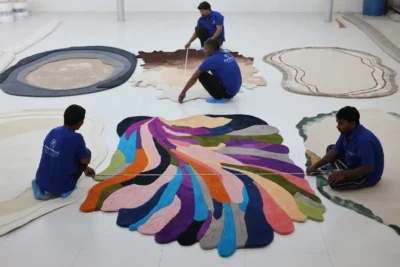
Customization allows you to create a rug that fits perfectly with your room’s layout and style. Many buyers miss this opportunity and settle for standard sizes that do not suit their space. Custom rugs let you choose colors, materials, and dimensions that complement your home.
They are especially useful for irregular spaces or unique furniture arrangements. Personalized rugs also add an exclusive touch that reflects your personality and taste.
Action tips:
- Choose custom sizes for large or uniquely shaped rooms.
- Match custom rug patterns with wall or furniture textures.
- Consider monogrammed or bespoke designs for a luxurious finish.
10. Ignoring the Lighting Effect
Lighting can change how a rug looks inside your home. A rug that appears vibrant in a store might look dull under warm lighting. Many buyers forget to test rug colors under different light conditions. Natural daylight highlights true colors, while artificial lighting can change tone and depth. Always check how a rug appears under the lighting setup in your home before making a final decision.
Action tips:
- View the rug sample in natural and artificial light.
- Avoid overly glossy materials under bright lighting.
- Match rug tones with your room’s light warmth for balance.
💡 Further resources:
Final Words
A rug can transform your space when chosen wisely. Avoiding these common mistakes ensures that your rug looks beautiful, feels comfortable, and lasts longer. Focus on details such as size, texture, material, placement, and lighting to make the most of your investment.
At Ramsha Home, every rug is crafted with attention to design and function to help you create a space that feels refined, balanced, and timeless.

Article By
Asif Hasan
Asif Hasan is a recognized expert in textile artistry, global sourcing, and e-commerce growth within the hand-knotted rugs and carpets sector. As the CEO of Ramsha Home, he focuses on preserving traditional weaving techniques while implementing modern digital strategies to bring authentic, high-quality floor coverings from artisan workshops to global customers. He specializes in optimizing the carpet supply chain and ensuring the sustainable trade of premium home textiles.